a work-in-progress for common discourse. A collaboration with jacky zhao
@Spencer brainstorm
@Spencer 05/14/23 8:09PM
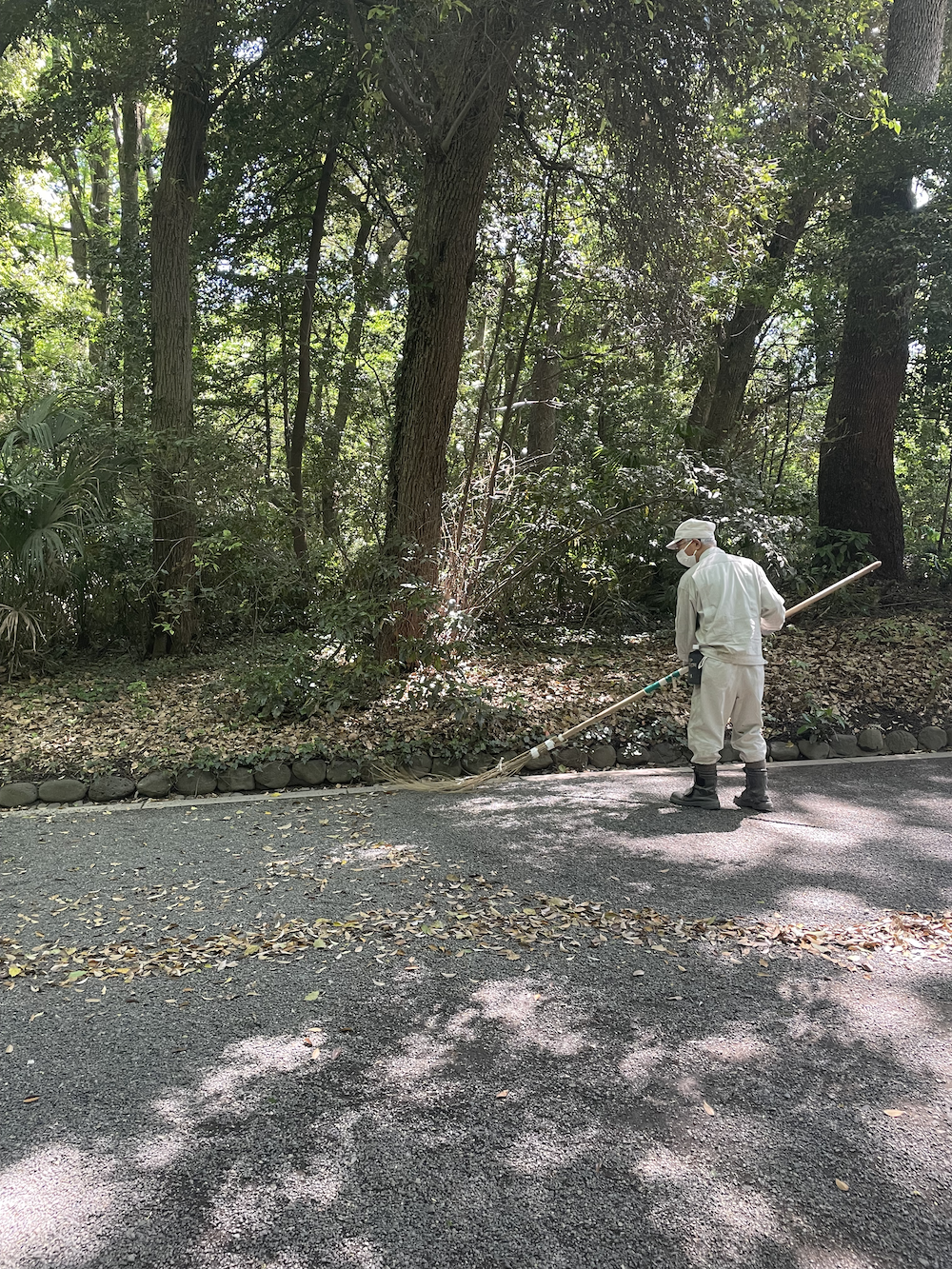
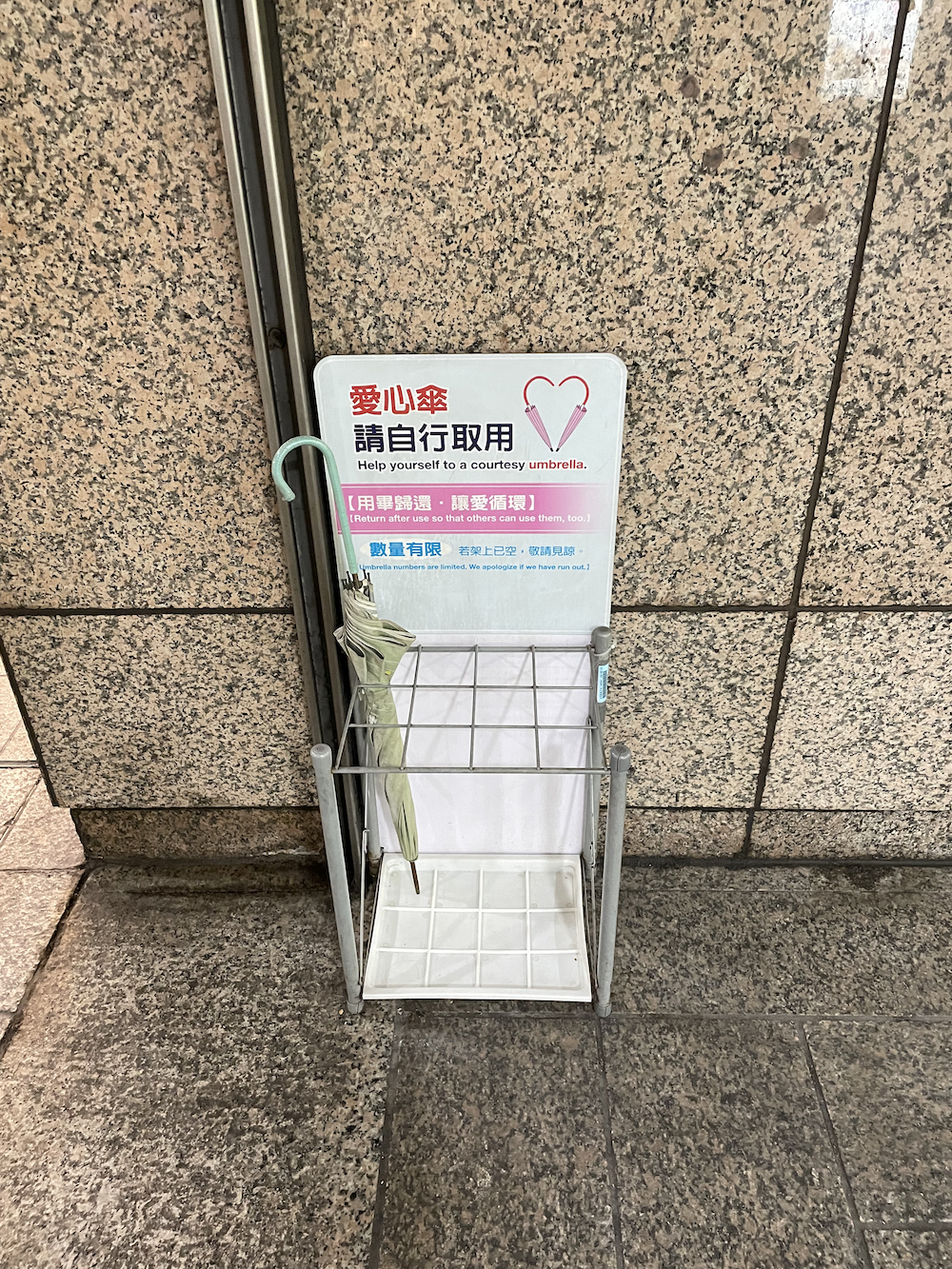
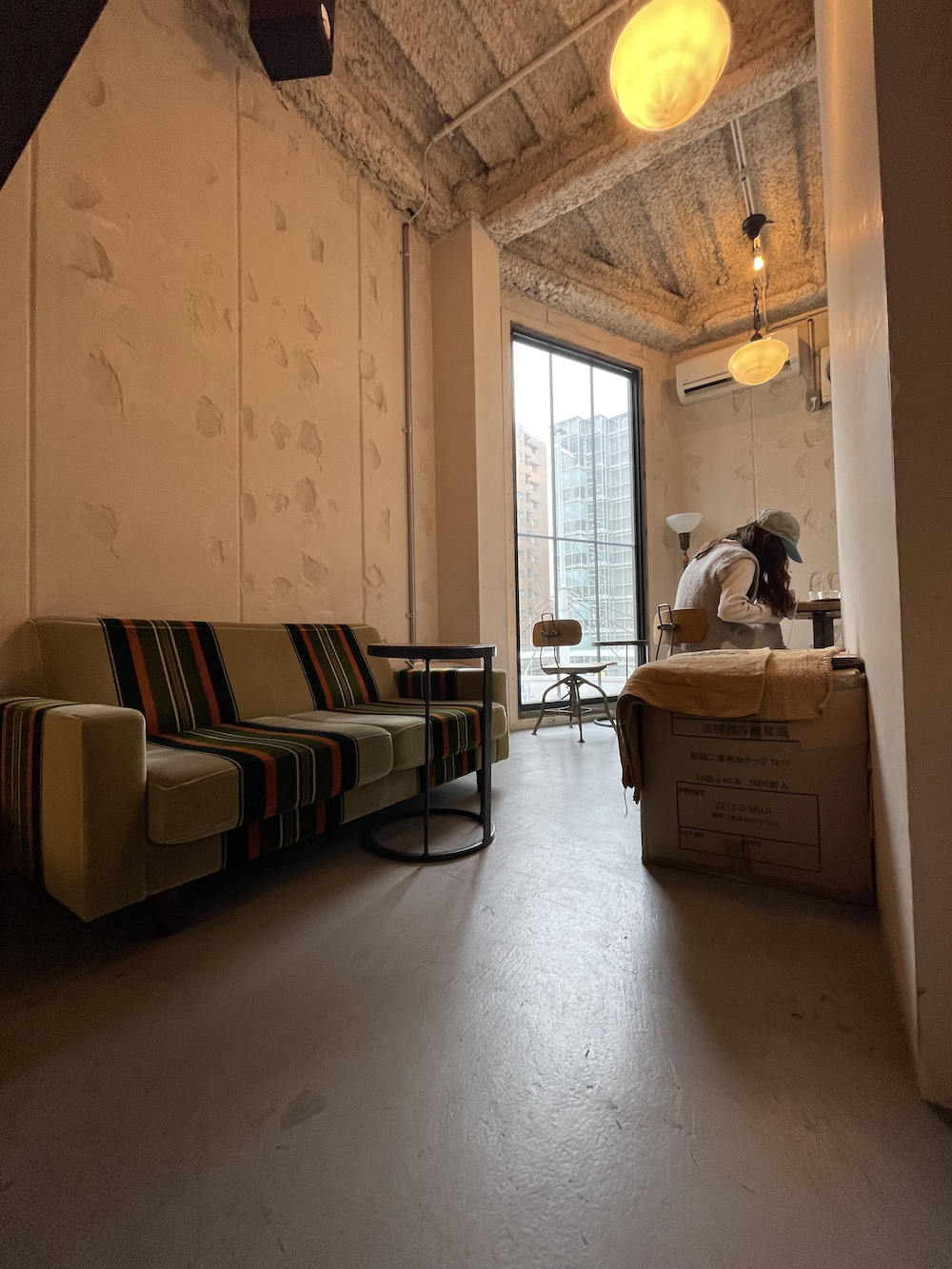
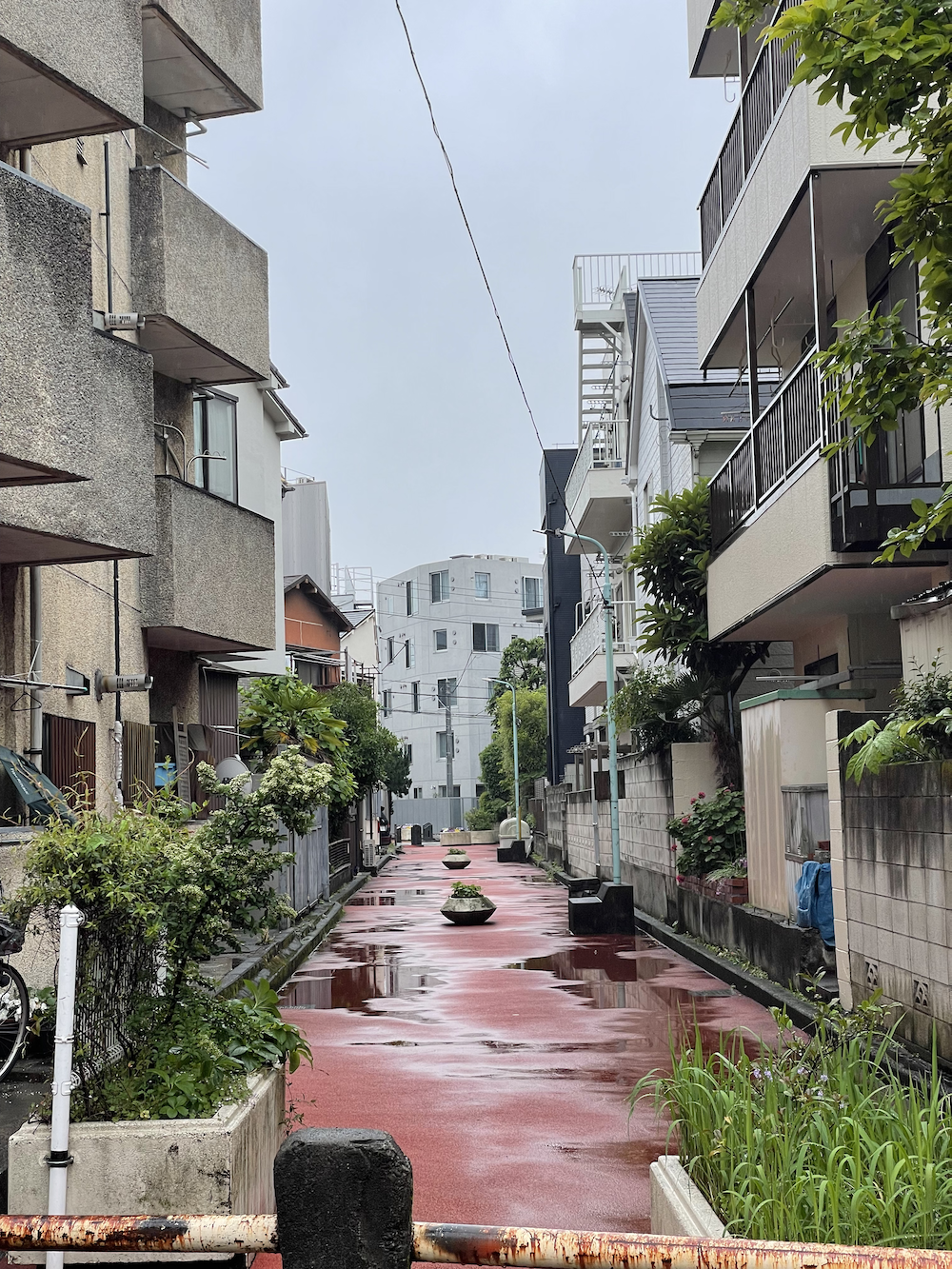
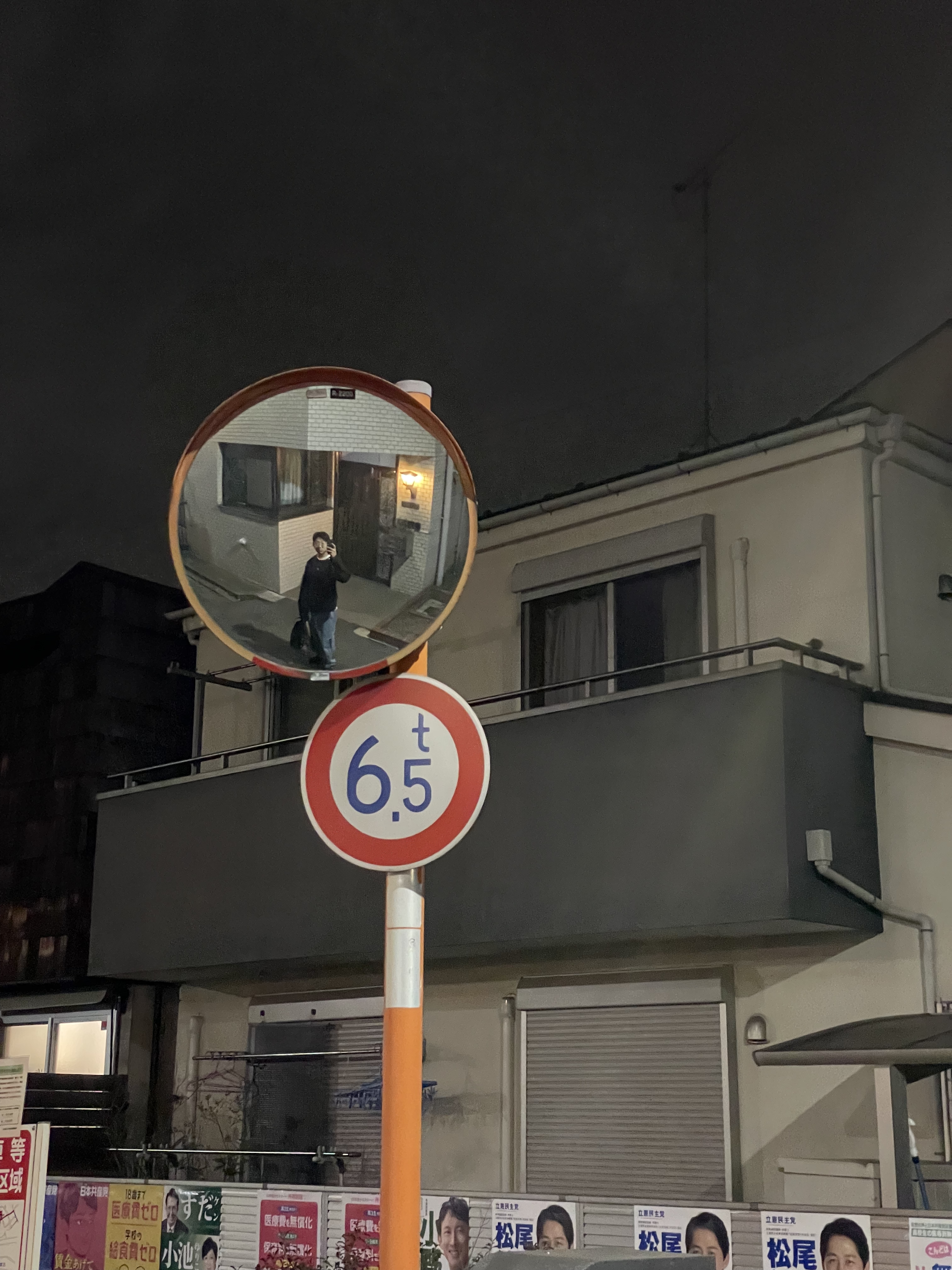
I’ve been thinking about spontaneous physical gathering places. Spontaneous in that they are not planned or architected to be such, like a cafe or a public park. They are sites that happen to inspire and invite people to stop by and stay a bit. Specifically what’s coming to mind are the small, personal (or small community) sites of marking that you’ll find in innocuous spots around a city. When I was traveling in Japan and Taiwan, I would find so many of these nestled amongst shops and offices in the city and hidden in neighborhood sidewalks. Sometimes you’d turn a corner and you’d find a small temple with bright red lanterns, an ornate roof, and hundreds of incense candles. On the street in Kyoto, I saw a tiny torii gate on the side of a highway. In America, what comes to mind are the scribbles in a tree, the tiny rocks stacked on a beach. I want more of these sorts of places in digital space. Public, common spaces where we are offered the opportunity to make a world for us to share together. Instead, we are forced to carve out our own land or deface someone else’s in order to make our voice heard. We’re missing the ability to offer space and gifts to share. Everything is mine or yours or theirs, and they aren’t interchangeable piecemeal. I have to give up my identity if I want to gift you any space. Everything feels fleeting, and we have nothing to offer each other. What if we could make each other offerings? What is the equivalent of paying for the next person’s drink in line or leaving a note in the guestbook or sharing some homemade pie with the neighbors in the digital realm?
@Spencer 05/22/23 11:03PM
Fi shared this piece thinking about methods of hosting and proper “guesting” and how that is a lost art in digital spaces today. I’ve been thinking about how you can be a good host in digital spaces, how a personal website can invite someone in and prompt you to explore, be intimate, linger. But I haven’t thought as much from the side of how we can enable people to be good guests. Looking back, this is a core thesis of a lot of the aspects of physical space that I care a lot about and have tried to emulate in digital space. On my wall of windows, I wanted to create a “home” space where visitors could leave a piece of themselves like a guest book. On we-b.site, the fingerprints were an attempt to encode passive presence from passersby and create a natural site of intimacy from your digital actions. In most digital spaces we occupy, the concept of “guesthood” doesn’t even exist. You have your land and other people’s land that are completely separate. My email and your email. Your profile and my profile. My notes and your notes. My phone and your phone. So many things are not only so personal to us, but they are completely invisible to others, except for those that are closest to us physically. The one place we see these dynamics emerge is in the collaborative software and free-for-all comment sections of social media. And you see the dynamic cause all kinds of anxiety from the unexpected pressure to share space and act as a good guest (especially in places where it’s easy to knock things over). A common fear in shared documents and tools is accidentally deleting or breaking parts of the tool that someone else crafted with their own hands. But because we are disembodied cursors, we can’t apologize or ask for help. We’re left to figure it out on our own, frantically CMD+Z-ing and attempting to make it pristine (because we’re given that luxury in the digital world). We have to contend with horror at the prospect of completely ruining something and covering it up completely where not a single pixel is out of place. I think this pristine-ness makes a lot of the internet feel unnatural, disembodied, artificial. These collaborative spaces also function as approximate spaces for demonstrating care through informal ways, like leaving a nice note in someone’s notes page, playing cursor tag, or having a cursor parking lot. How could we enable these informal methods of expression to flourish in the open with the space they deserve? Or is the fact that they happen informally, as secret handshakes and covert signals, and in the cracks of strict templates that gives them so much allure? ^c74a36
