biography about robert irwin
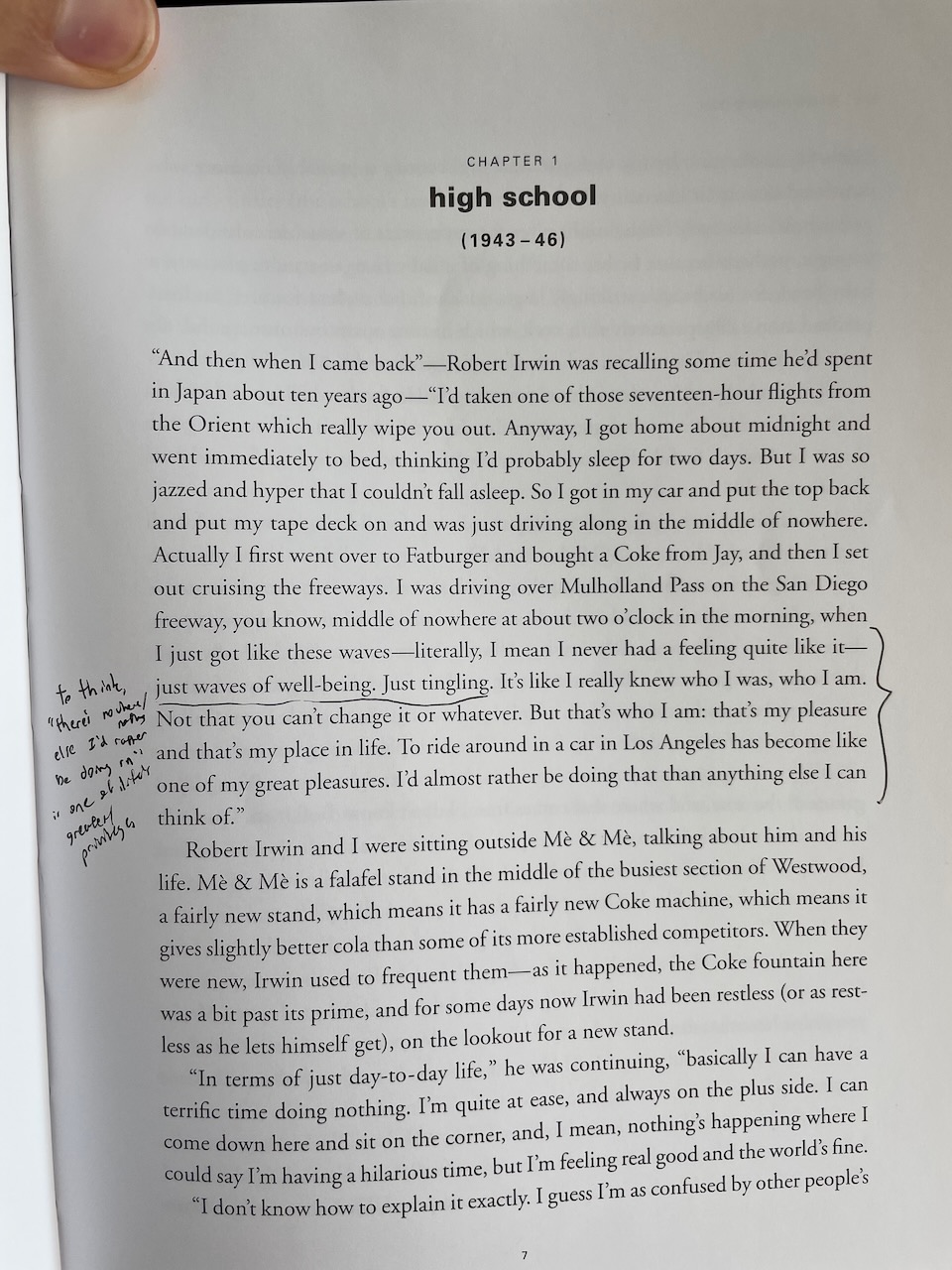
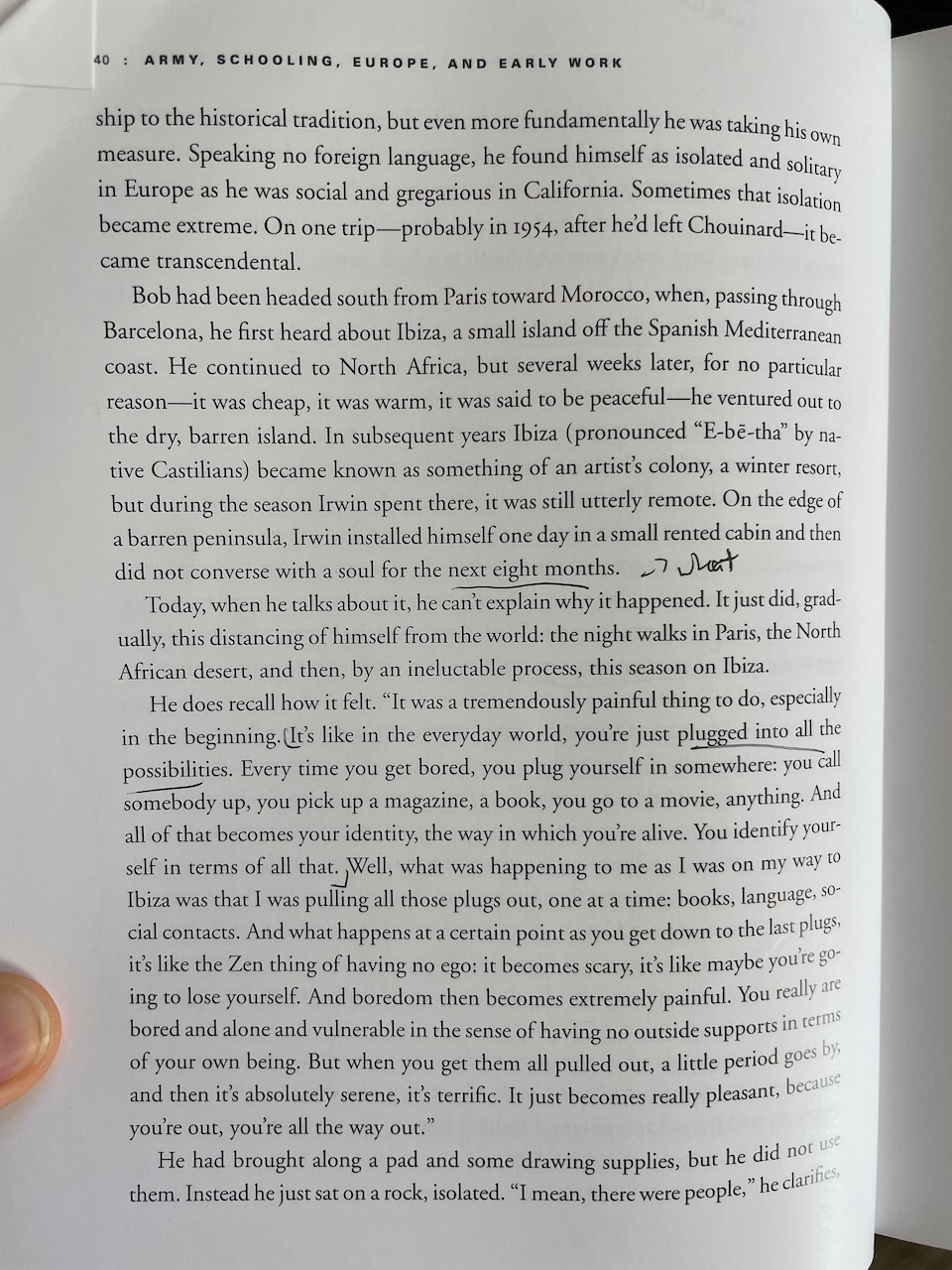
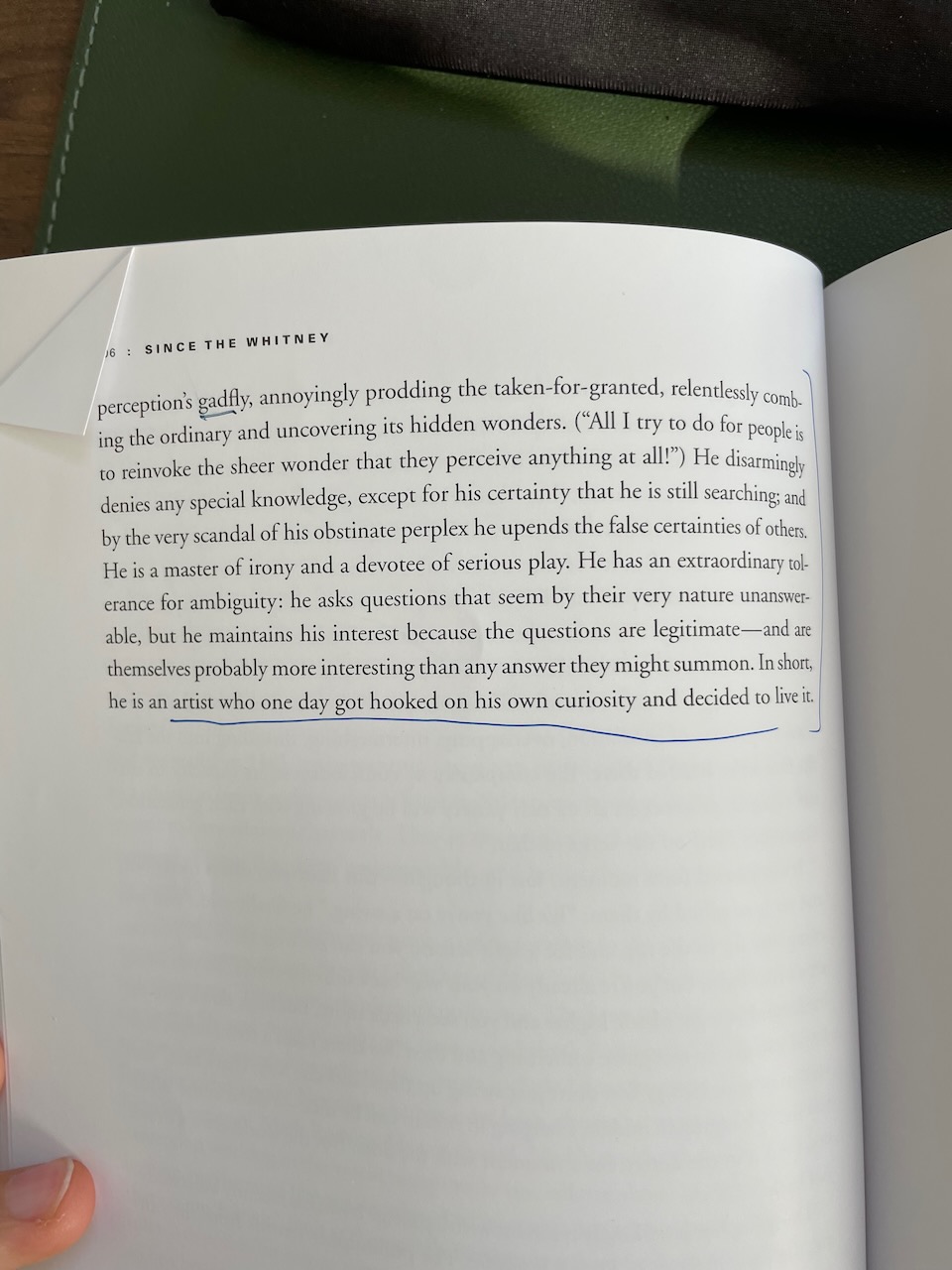
He presents a paradox himself. He defies the traditional impression of a troubled artist by presenting an incredibly jovial disposition. But at the same time, he is one of the most self-disciplined figures in the art scene, spending months without human contact to train his sense of taste.
“Only gradually did I begin to see them as twin emanations from a single source, his social ease as grounded in his self-sufficiency, his anarchic whimsy as contained by his fierce sense of discipline and integrity.”
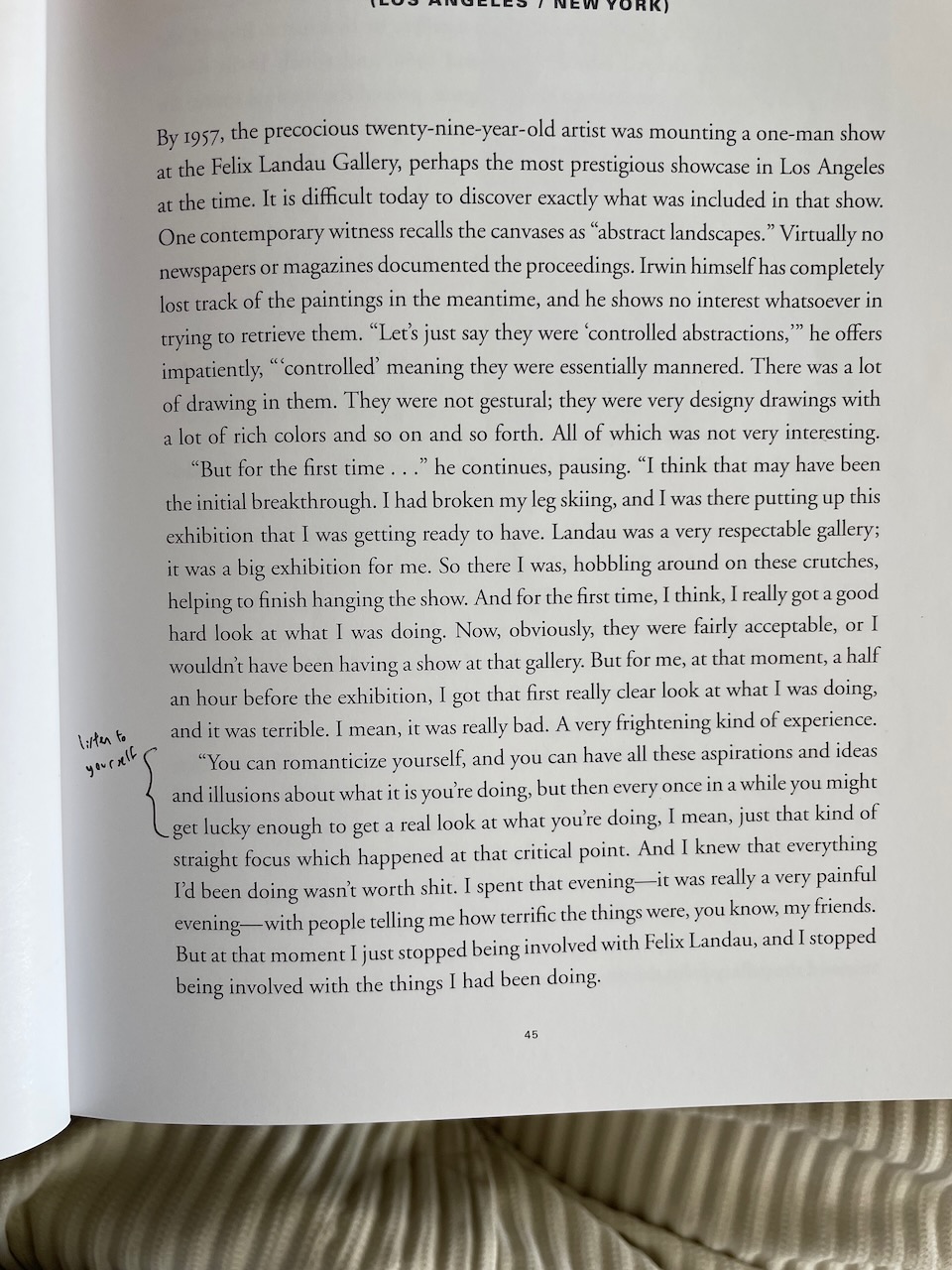
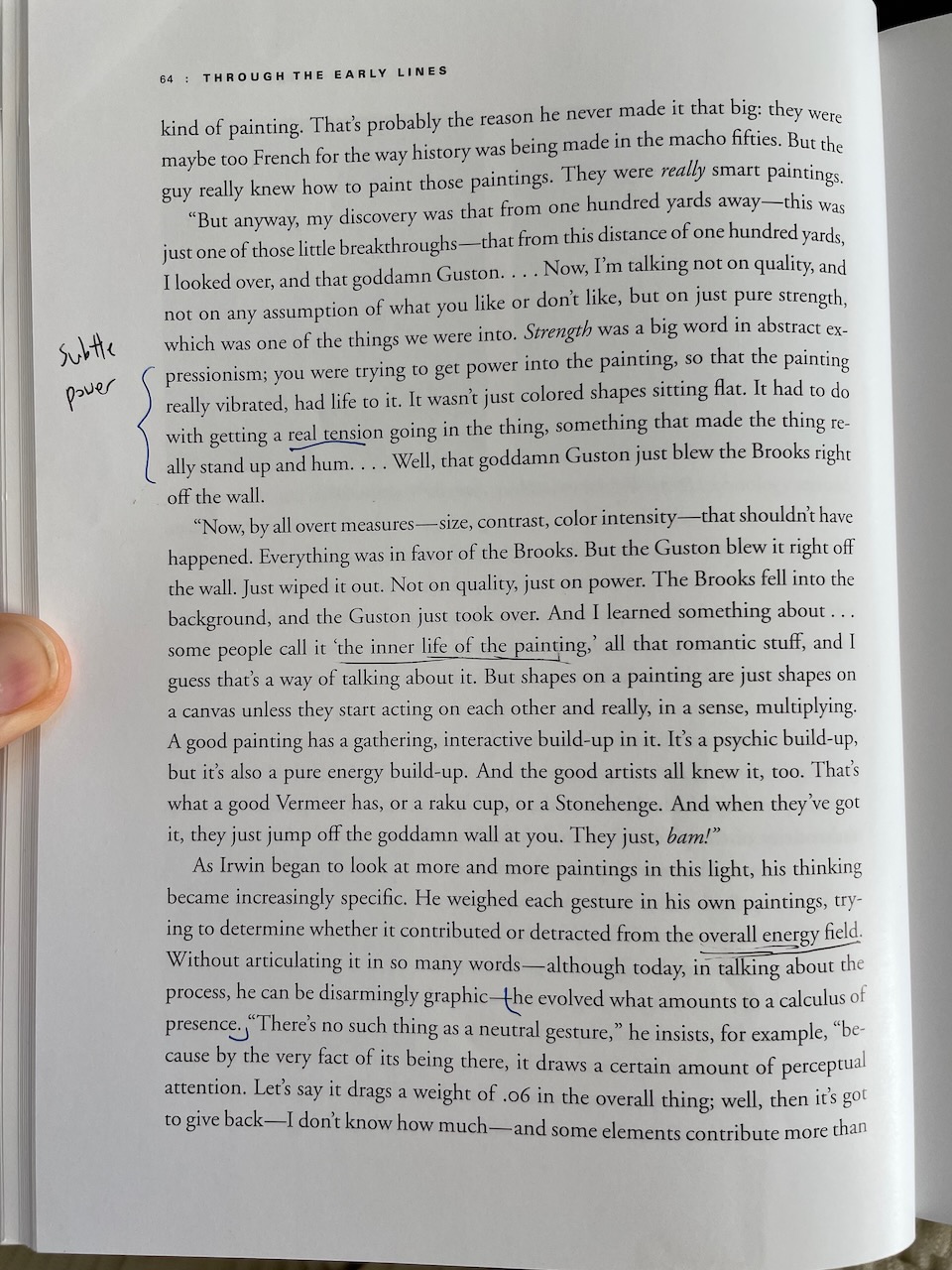
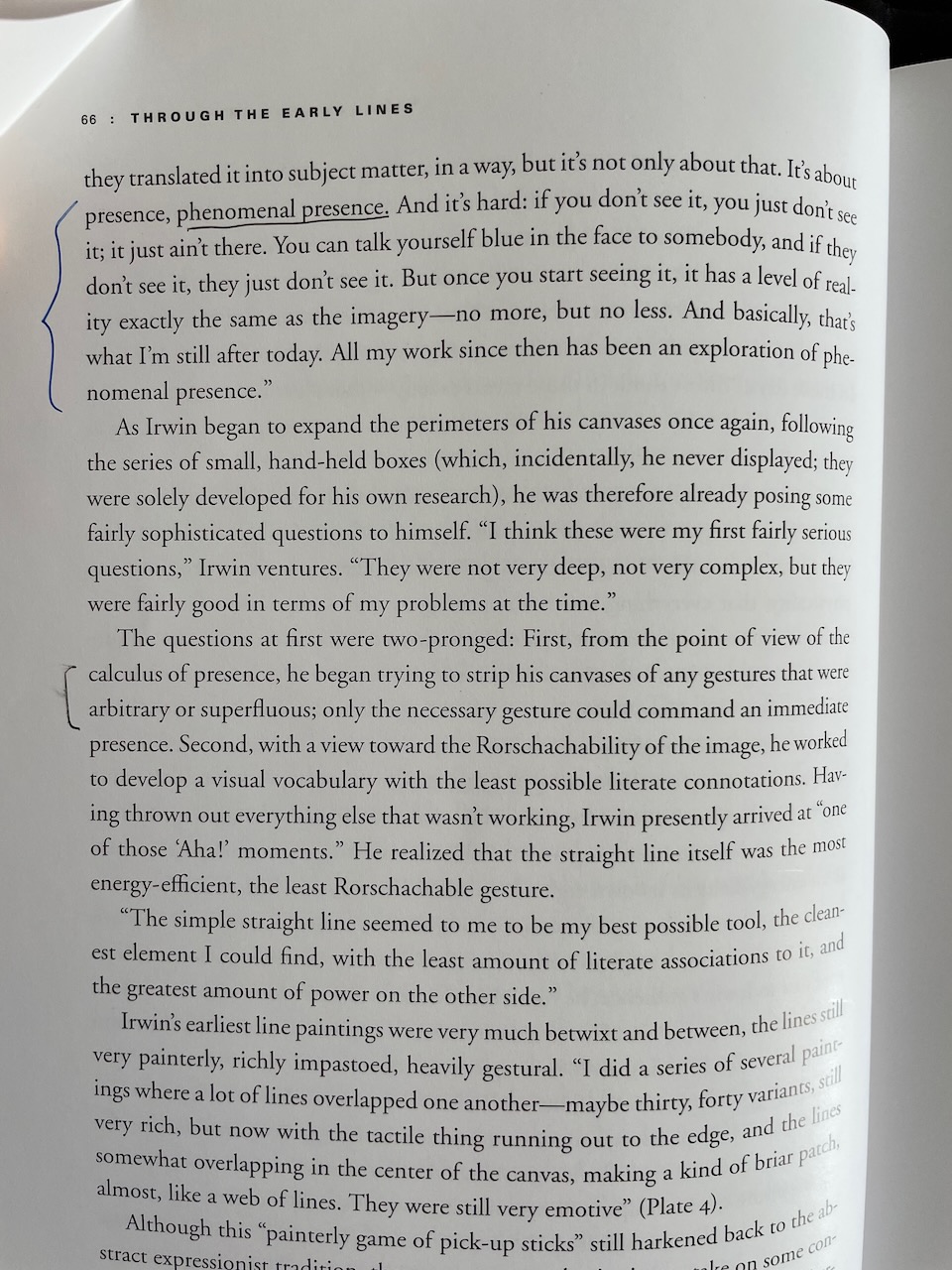
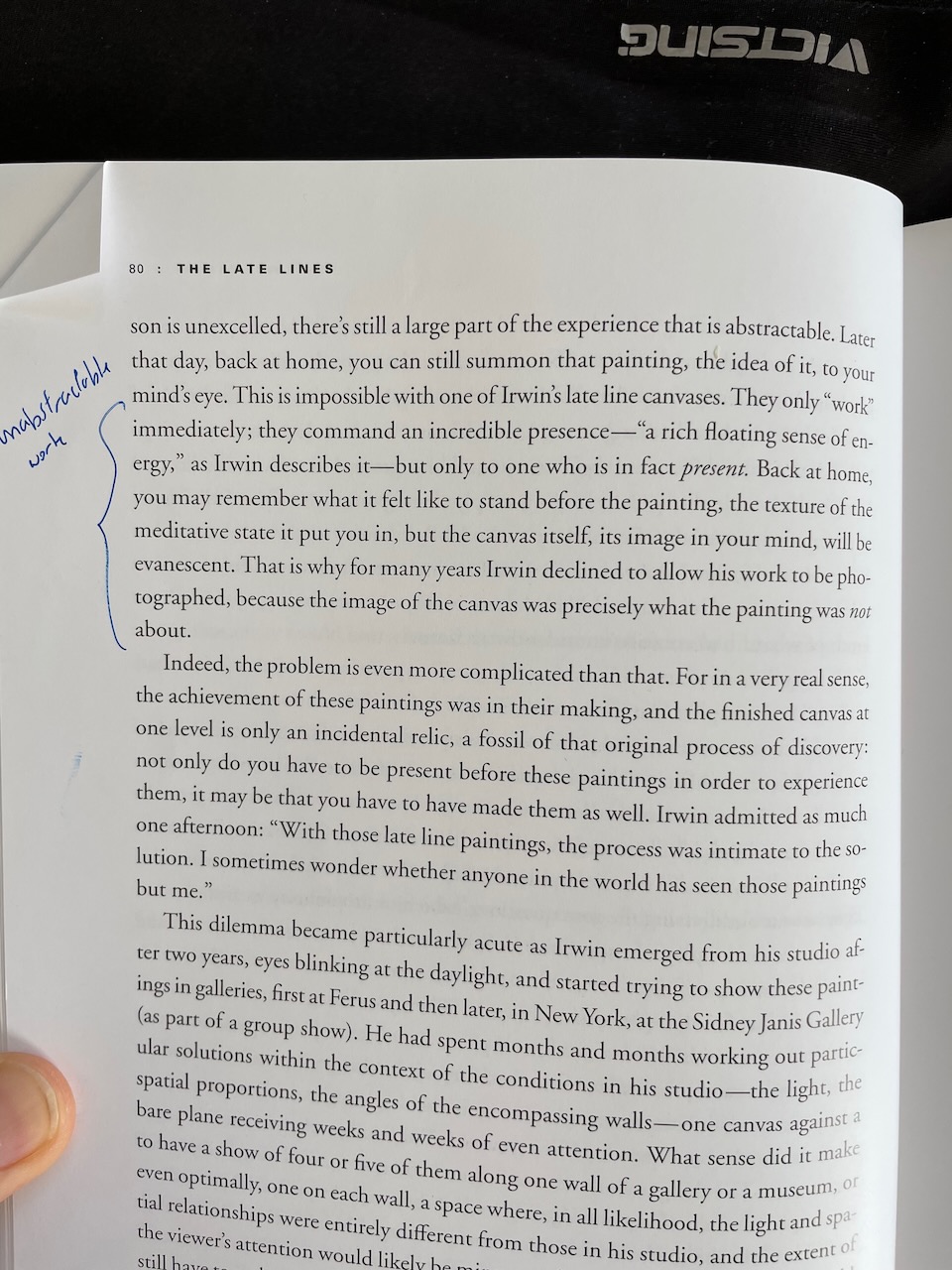
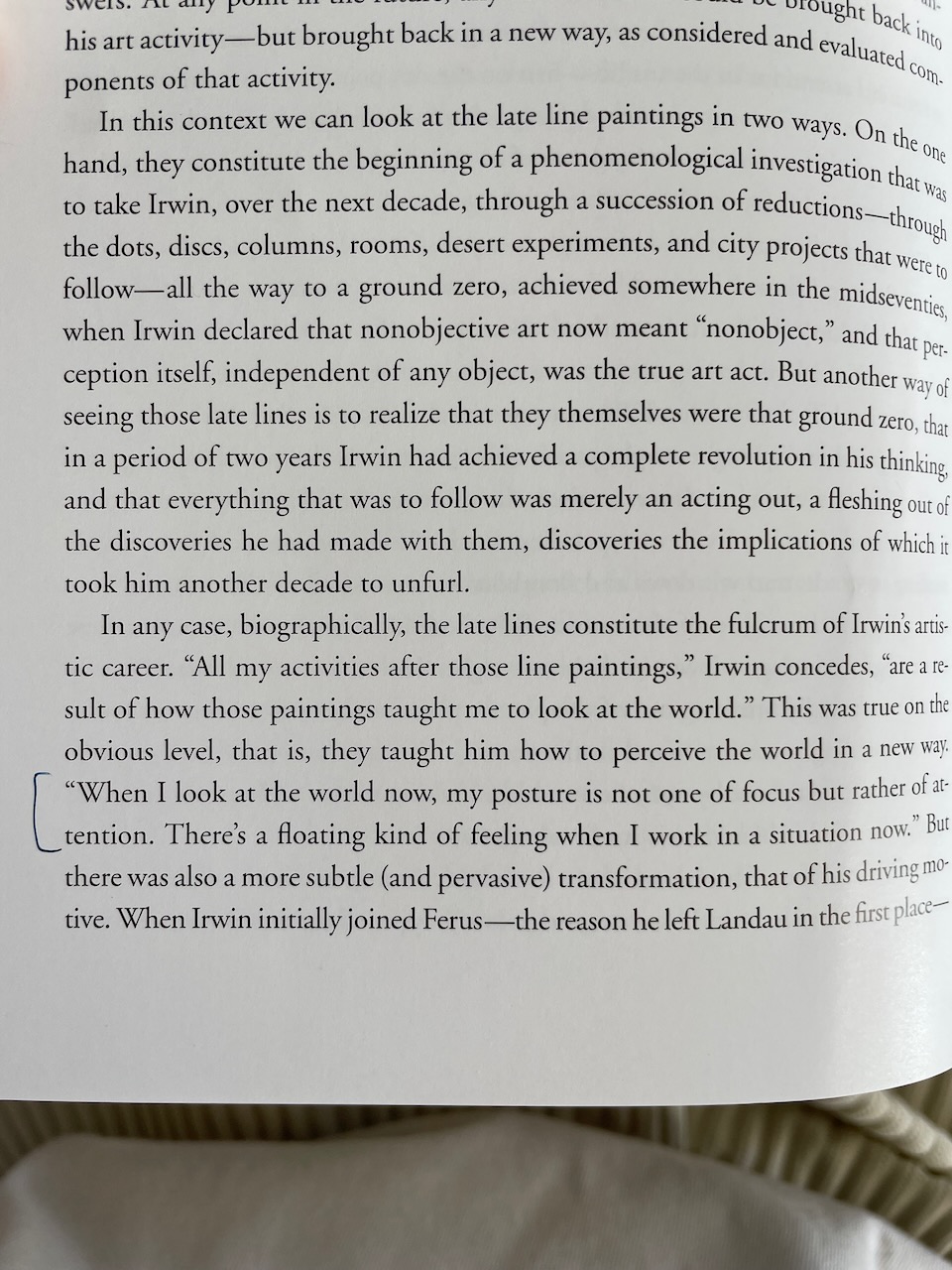
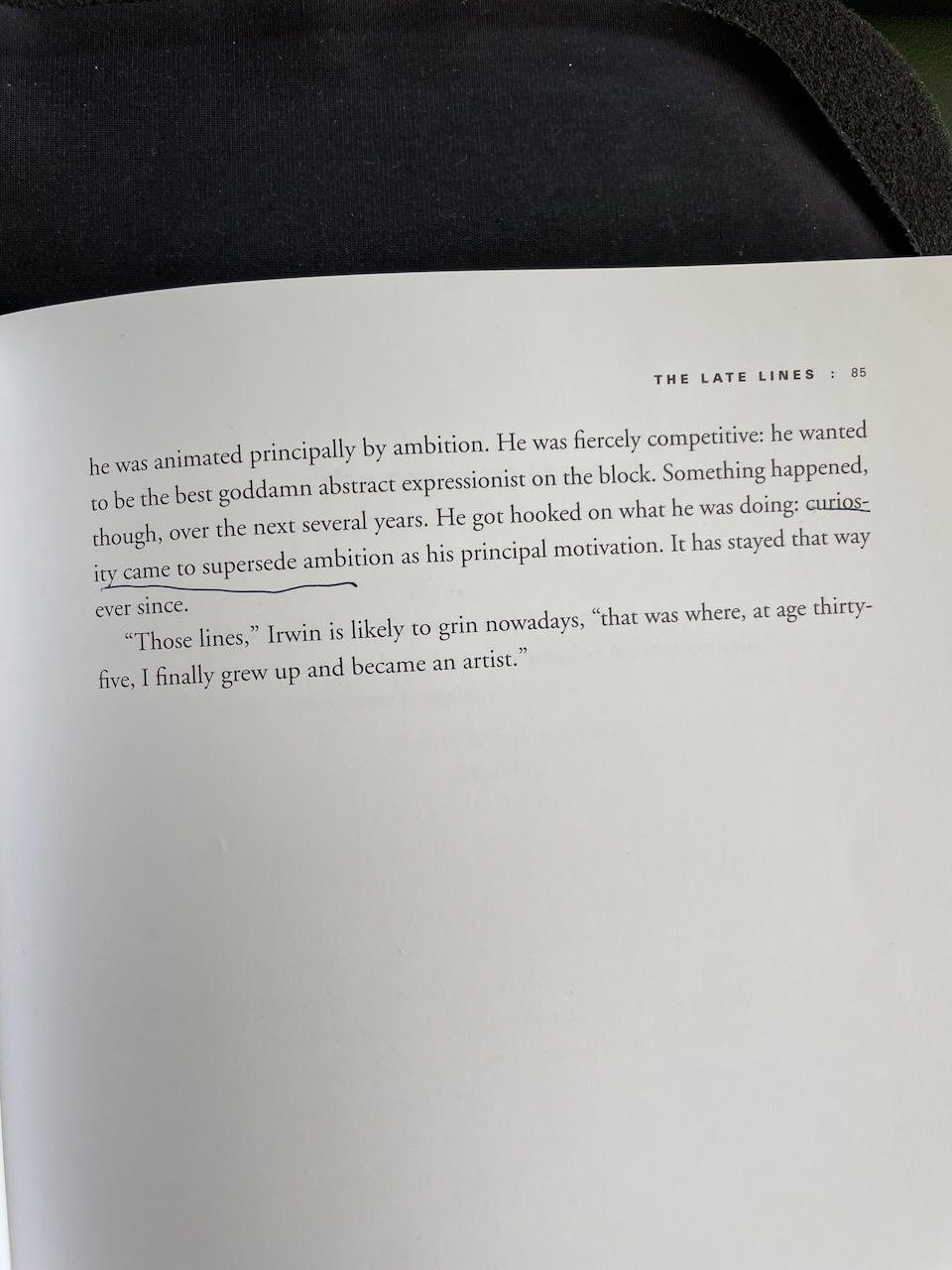
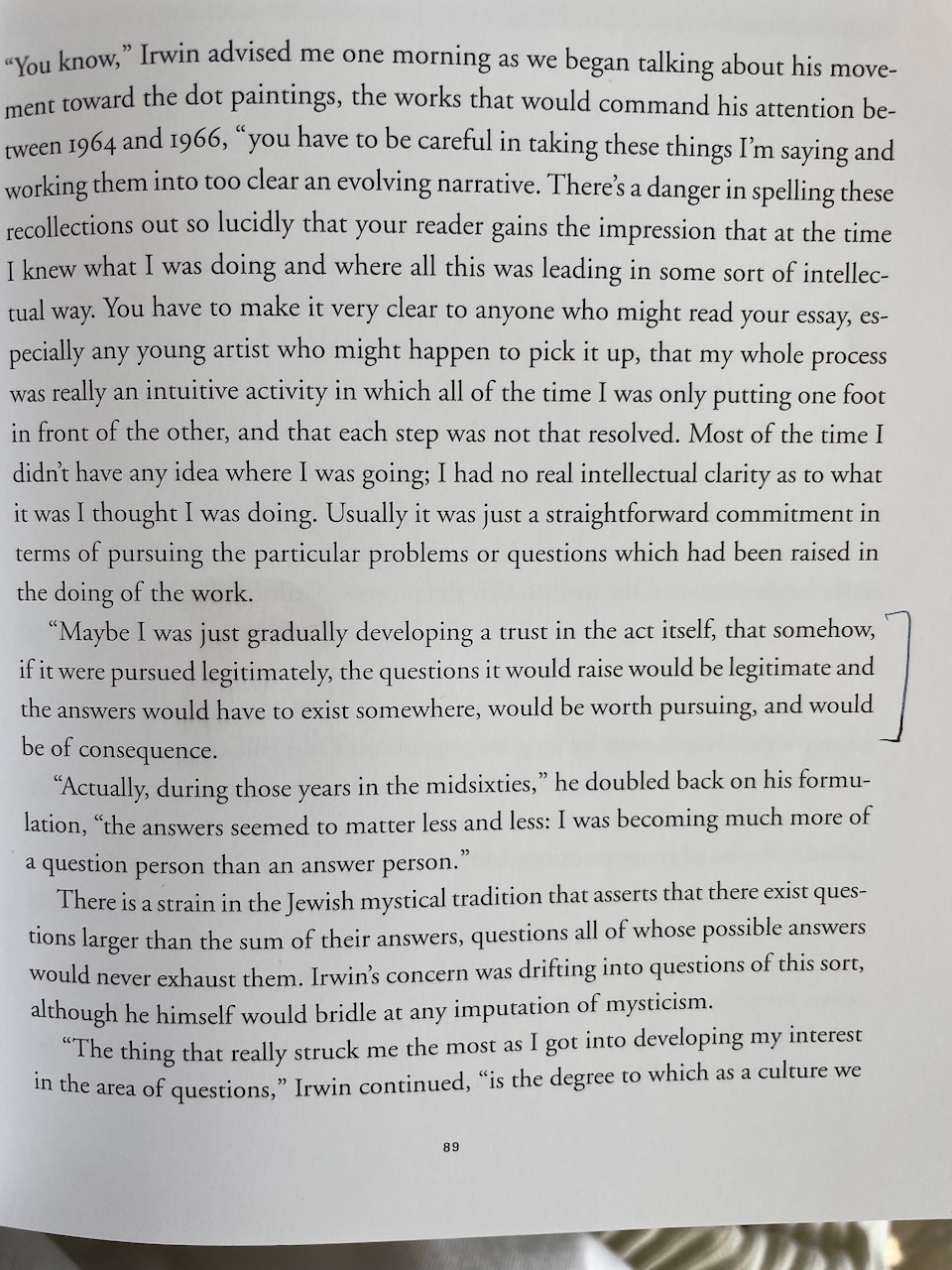
Starting with abstractionist-expression painting, Irwin eventually found the “start of his art career” when he started stripping his painting of any superfluous gestures. He found this “phenomenal presence” that certain paintings possessed that commanded attention even when they were comparably “weaker” than other paintings. He started perceiving the energy fields inherent in all paintings, tuning his perception of factors that affected this energy field. In his pursuit of this study of presence, a “calculus of presence,” he focused on painting lines for two years, systematically cutting extra movements to approach the ability to paint space and depth itself. With his late line canvases, they only function in the moment, in presence of them. For a long time, Irwin didn’t allow his works to be photographed for this very reason because the paths your body took to perceive the painting was crucial to the experience of the art itself.
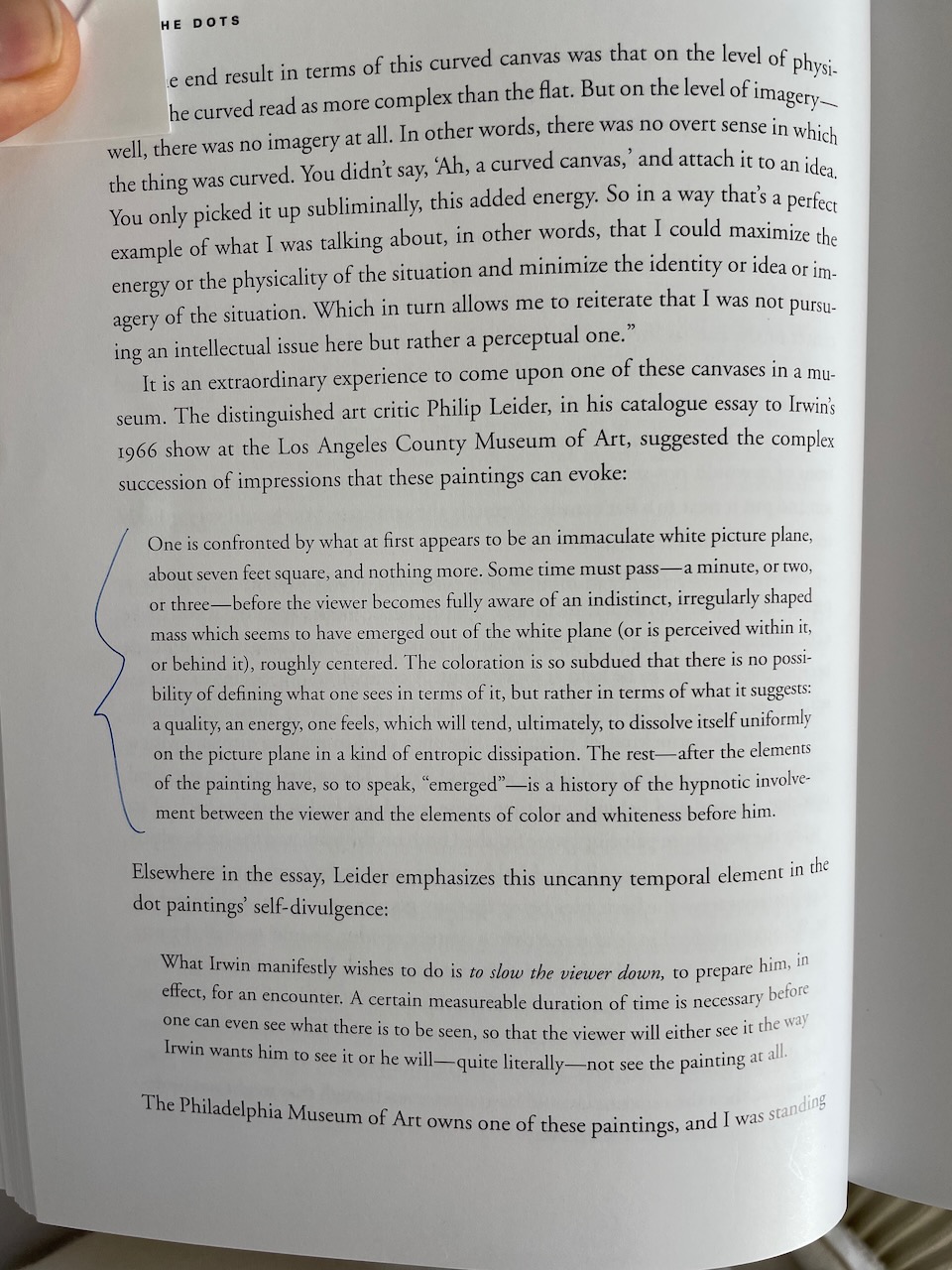
In his works, Irwin wishes to “slow the view down” (from Philip Leider’s catalogue essay to Irwin’s 1966 show at LACMA) such that they can actually see the painting and the energy that emerges out of it.
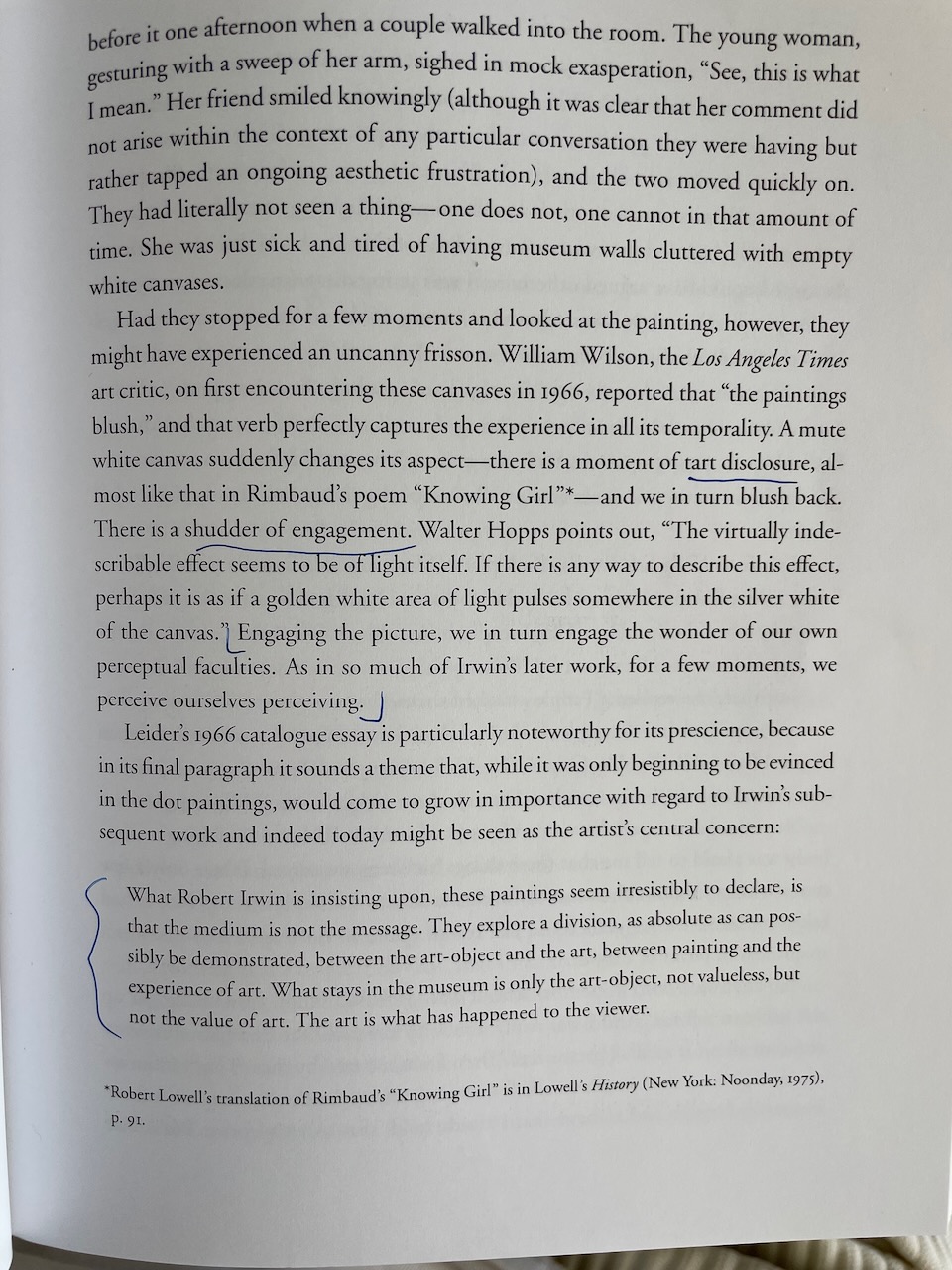
A mute white canvas suddenly changes its aspect- there is a moment of tart disclosure… There is a shudder of engagement… Engaging the picture, we in turn engage the wonder of our own perceptual faculties. As in so much of Irwin’s later work, for a few moments, we perceive ourselves perceiving.
Irwin’s work reveals itself much more like poetry does, through the attention it demands and the expectations it subverts. He tells the truth slant through a dance with the human eye rather than a dance with the human mind. To do so, he creates works that disarms people’s cognitive abilities. His forms increasingly slimmed down to get away from shapes that could invoke mental associations to familiar objects, so that the eye would have to perceive the piece for what it was—the energy its presence emanates.
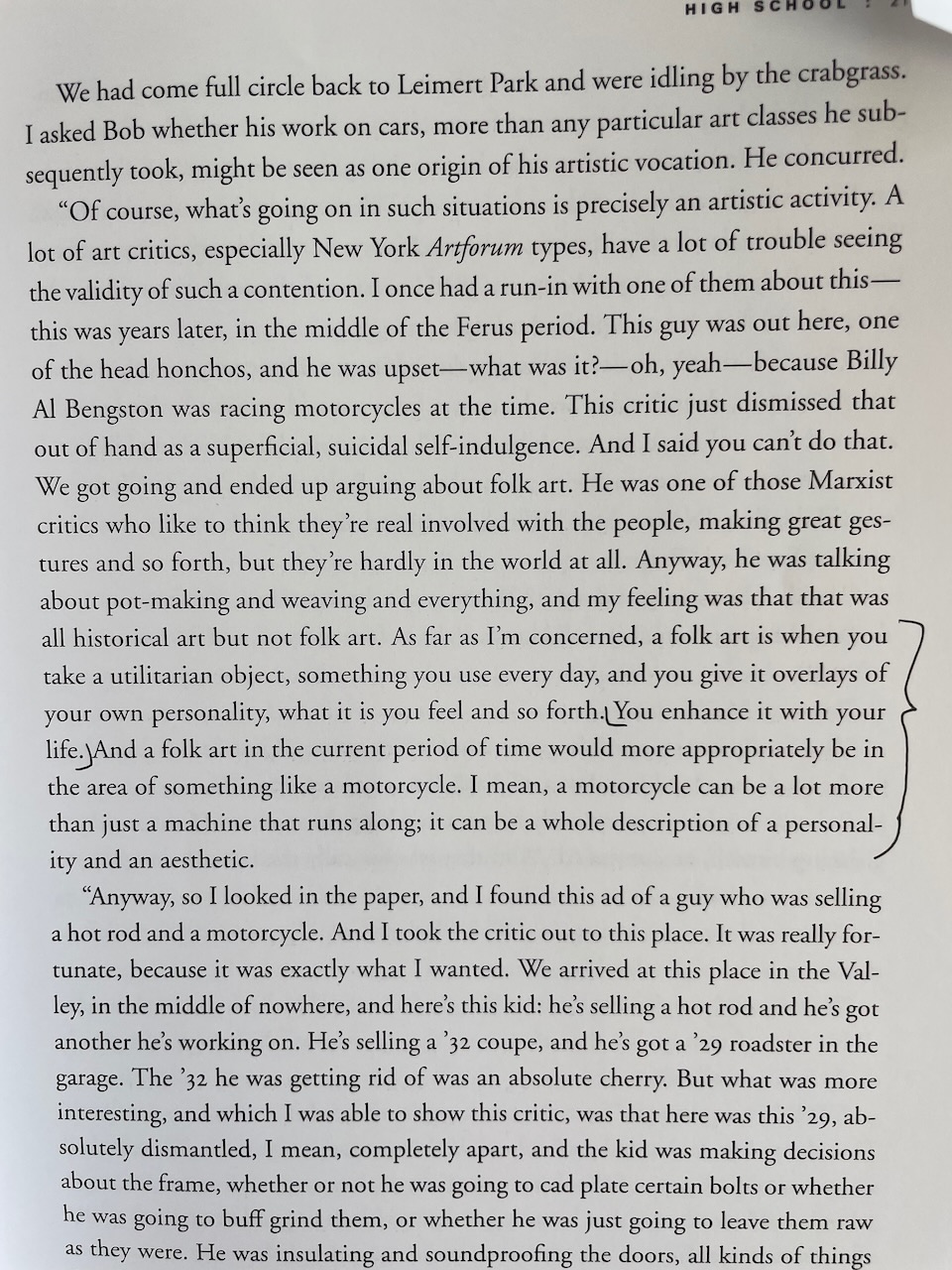
When I first read Irwin’s biography, I felt a deep connection to his simultaneous dedication to his craft and carefree nature, and I loved his emphasis on the art latent in our everyday life.
- how do you make a painting without a frame
- conditional art: not made for a collection — it’s made for a specific place, situational art
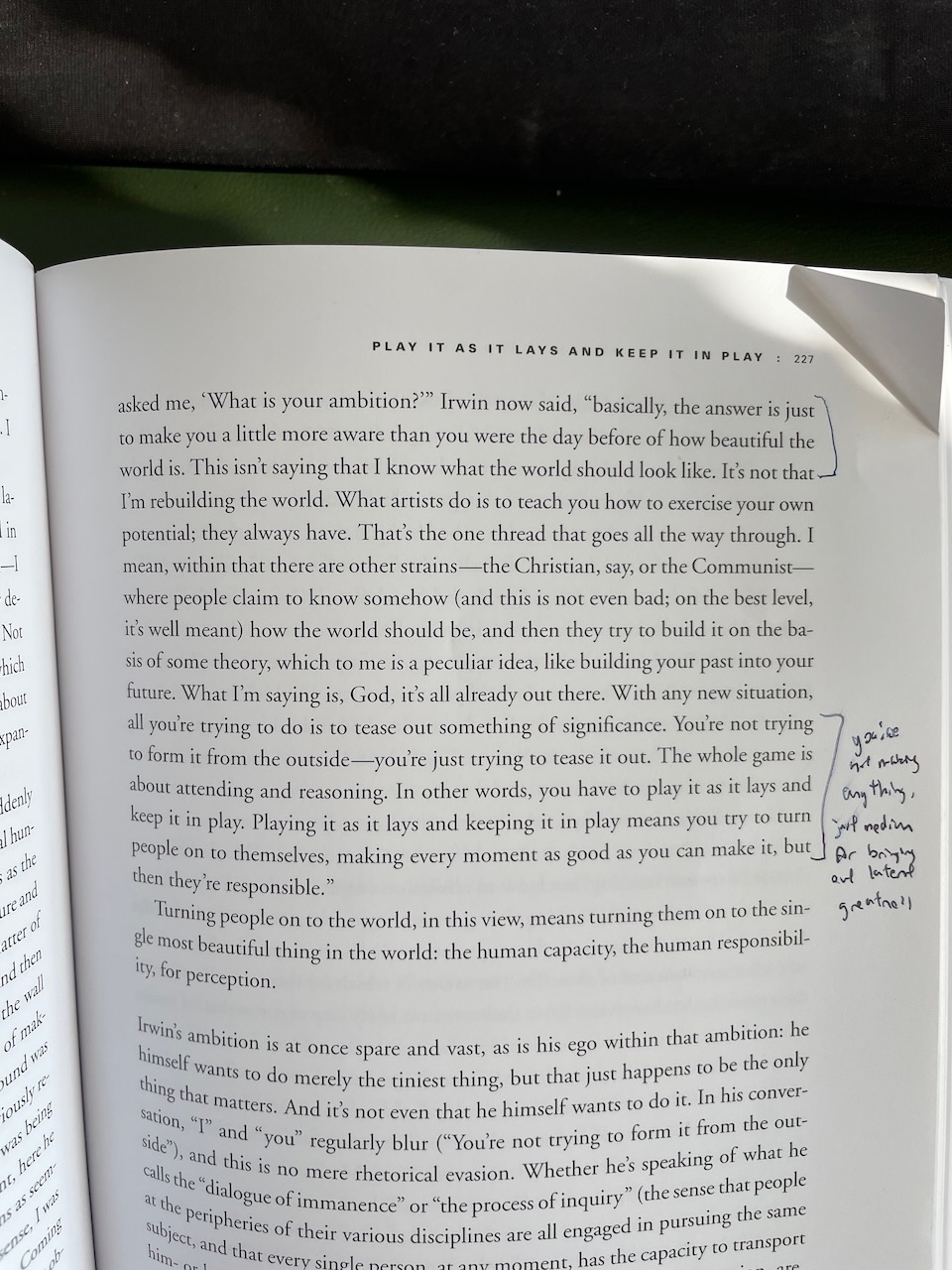
- “The ordinary, could we but see it is just as extraordinary as the highest consciousness imaginable.” - Robert Irwin
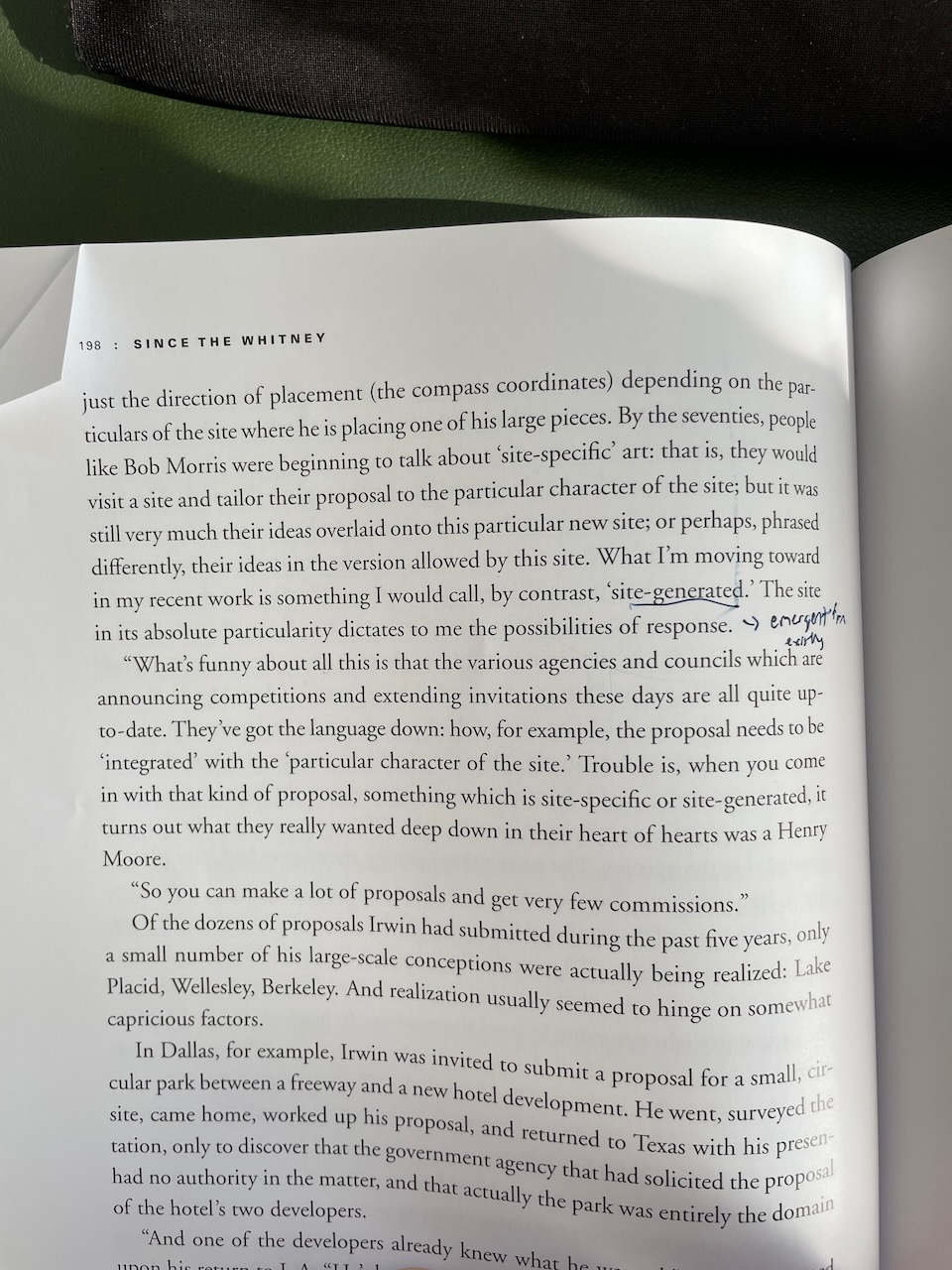
site-generated art: art form championed by irwin which is literally derived from the site of the art. The artist is imposing no part of himself on the environment