Wine Folly
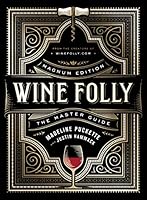
Metadata
Highlights
- winefolly.com is the #1 ranking wine education site in the world. The best part? It’s free. (Location 81)
- Technically, wine can be made with any fruit, but most wine is made with wine grapes. (Location 111)
- Wine grapes are different than table grapes. They are smaller, sweeter, contain seeds, and have thicker skins. (Location 112)
- Vintage (Location 119)
- Non-vintage (Location 120)
- A single-varietal wine is a wine made with mostly or only one grape variety (e.g., Merlot, Assyrtiko, etc.). (Location 121)
- made with one or mostly one grape variety. (Location 132)
- Countries require a minimum of the listed variety (Location 132)
- Sancerre is mostly Sauvignon Blanc. (Location 137)
- either made up by the winery to specify a special wine blend, or be the name of a vineyard or a place. (Location 142)
- standard bottle (750 ml) contains 5 servings of wine. (Location 146)
- no more than 2 drinks per day for men (14 per week) and 1 drink per day for women (7 total per week). (Location 150)
- Men should not exceed more than 3 servings in a single day. Women should have no more than 2. Take an alcohol-free day to make up the difference. (Location 152)
- The primary cause of a wine headache is not sulfites—it’s dehydration! (Location 154)
- from fermentation-derived biogenic amines like tyramine. (Location 155)
- Avoid headaches caused by dehydration by drinking one full 8-oz (250 ml) glass of water with every serving of wine. (Location 156)
- For comparison’s sake, a can of soda contains 350 ppm. (Location 159)
- red wines contain less sulfites than white wines and dry wines contain less sulfites than sweet wines. (Location 161)
- lower-quality wines contain more sulfites than higher-quality wines. (Location 162)
- A Bottle of Wine (Location 166)
- Identifying “light-bodied” and “full-bodied” wines is akin to identifying the differences in skim and whole milk: (Location 171)
- Tannin increases the body in wine. Since red wines contain tannin and white wines do not, red wine tend to taste more full-bodied than white wines. (Location 177)
- Sweetness increases body in wine. (Location 178)
- Acidity decreases the body in wine. (Location 180)
- Alcohol increases the body in wine. (Location 181)
- Carbonation decreases the body in wine. (Location 182)
- age wines in oak barrels or use oxidative wine aging to increase the body in wine. (Location 184)
- Sweetness in wine is called residual sugar (RS). Residual sugar is the unfermented grape sugars left over in the wine after fermentation has completed. (Location 269)
- For perspective, milk contains about 50 g/L, Coca-Cola contains approximately 113 g/L and syrup is nearly all sugar at 70% or 700 g/L. (Location 272)
- Wine appears more viscous with higher residual sugar. (Location 273)
- Bone-Dry: 0 calories per serving (<1 g/L) Dry: 0–6 calories per serving (1–17 g/L) Off-Dry: 6–21 calories per serving (17–35 g/L) Medium Sweet: 21–72 calories per serving (35–120 g/L) Sweet: 72+ calories per serving ( >120 g/L) (Location 278)
- Unlike still wines, sparkling wines (including Champagne, Prosecco, and Cava), will add a small amount of sugar, usually in the form of concentrated grape must, during the last step of winemaking. (Location 285)
- Brut Nature: 0–3 g/L (no added sugar) Extra Brut: 0–6 g/L Brut: 0–12 g/L Extra Dry: 12–17 g/L (Location 287)
- Dry: 17–32 g/L Demi-Sec: 32–50 g/L Doux: Over 50 g/L (Location 289)
- wines with higher tannin and/or higher acidity will taste less sweet than they actually are. (Location 293)
- primary source of wine’s health benefits. (Location 298)
- Yet, tannin is probably one of the least loved of all of wine’s traits. Why? Simple: It’s because tannin tastes bitter. (Location 298)
- Tannins are naturally occurring polyphenols found in plants, seeds, bark, wood, leaves, and fruit skins. (Location 300)
- It’s found in many plants and foods, notably green tea, super dark chocolate, walnut skins, and hachiya persimmons. (Location 301)
- found in the grape skins and seeds and they’re also found in wooden barrels. (Location 302)
- help stabilize wine and buffer it against oxidation. (Location 303)
- Place a wet tea bag on your tongue. The astringent, bitter sensation you get is the sensation of tannin! (Location 304)
- Wines have the highest tannin when they are young. (Location 309)
- Procyanidins (Location 312)
- inhibit cholesterol, which in turn, helps fight heart disease. (Location 313)
- stopped cancer cells from expanding. (Location 314)
- lowered total cholesterol and improved the ratio of “good,” or HDL, cholesterol to “bad,” or LDL, cholesterol. (Location 316)
- no studies have found tannin to cause headaches or migraines. (Location 317)
- Acidity is what gives wine its tart and sour taste. (Location 367)
- All wines lie on the acidic side of the pH scale ranging from about 3 to 4 pH (water is neutral at 7 pH). Acidity is important for wine quality because it slows the rate of chemical reactions, which cause wine to go bad. (Location 368)
- Imagine drinking lemonade. (Location 373)
- Terms like zesty, bright, tart, zippy, and fresh are often used in tasting notes to describe higher-acidity wines. (Location 374)
- Wines with higher acidity taste lighter bodied and also less sweet. (Location 375)
- Wines with lower acidity taste fuller bodied and more sweet. (Location 376)
- When acidity is too low, wines are often described as tasting flat, dull, soft, or flabby. (Location 376)
- When acidity is too high, wines are often described as tasting spicy, sharp, or too sour. (Location 377)
- The most prevalent wine acids are tartaric acid (softer, found in bananas), malic acid (fruity, found in apples), and citric acid (tingly, found in citrus). (Location 382)
- Acids change as wine ages and eventually are mostly acetic acid (the primary acid in vinegar). (Location 384)
- Wine contains anywhere from 4–12% total acids. (Sparkling wines are on the high side!) (Location 386)
- Technically, pH does not measure the amount of acids in wine, it simply measures the concentration of free hydrogen ions. (Location 393)
- With practice you can taste the difference in sourness between a 3.6 pH wine and a 3.5 pH wine. (Location 397)
- 1 = Low, 5–10% ABV 2 = Medium-Low, 10–11.5% ABV 3 = Medium, 11.5–13.5% ABV 4 = Medium-High, 13.5–15% ABV 5 = High, Over 15% ABV (Location 403)
- Don’t drink more than your body can metabolize. (Location 407)
- Ethanol becomes toxic when it is metabolized in the liver and stomach. During the process, hydrogen atoms are removed from ethanol molecules and the compound turns into acetaldehyde. (Location 408)
- Acetaldehyde is toxic in large amounts (why binge drinking can kill you), but the body can metabolize small amounts of it using enzymes. (Location 409)
- Women have fewer alcohol-digesting enzymes than men. Thus, it’s recommended that women consume less. (Location 411)
- East Asian and American Indian lineage) produce enzymes that aren’t as good at metabolizing acetaldehyde. (Location 412)
- If you get rashes, red flushing, headaches, and nausea easily when drinking, then plan to moderate more. (Location 413)
- cause a slight rise in blood sugar when ingested but ultimately it causes blood sugar to drop. (Location 414)
- Alcohol use disorder affects about 1 in 16 US adults. (Location 417)
- The sweeter the grapes, the higher the potential alcohol. (Location 419)
- chaptalization (Location 421)
- 4-step tasting method (Location 430)
- glass of wine over a white background (Location 433)
- 3 observations: (Location 434)
- Look for: 2–3 fruit flavors (be descriptive) 2–3 herbal or other flavors Any oak or earth flavors (if present) (Location 437)
- Take a sizeable sip of wine and pass all over your palate before swallowing. (Location 440)
- A deeper color in white wine is usually an indication of aging or oxidation. (Location 448)
- a deeper color simply means the wine was macerated in grape skins for longer. (Location 451)
- Look toward the edge of the wine to see the hue. Look toward the center to see how opaque the color is. (Location 452)
- caused by fluid surface tension created from evaporating alcohol. (Location 459)
- many “tears” indicate a wine with higher alcohol. (Location 460)
- harmless but can be easily removed by pouring through a stainless-steel filter (such as a tea strainer). (Location 462)
- Hold your glass under your nose and take a small sniff to “prime” your senses. Then, swirl your wine and take slow, delicate whiffs of the wine. (Location 535)
- Position your nose above the glass and slowly move in until you pick out individual smells. The top rim reveals more delicate floral aromas and the lower rim reveals richer fruit aromas. Swirling the wine will concentrate the aromas. (Location 537)
- First, try to pick out a fruit aroma. Second, see if you can add in an adjective. (Location 543)
- caused by chlorine coming in contact with corks and is thought to affect 1–3% of corked bottles. (Location 557)
- Reduction happens when wine doesn’t get enough oxygen during winemaking. Decanting the wine will greatly improve the smell, and if not, you can try stiring your wine with a silver spoon. (Location 562)
- Oxidation happens over time to all wines, but can occur before it should due to improper storage conditions. (Location 566)
- Grab your glass of wine and take a medium-sized sip. “Chew” it. Allow it to touch every nook and cranny. Then, swallow the sample (or spit it out). Then, take a slow breath through your mouth and exhale through your nose. (Location 642)
- Asians, Africans, and South Americans have a higher proportion of hypersensitive tasters than Caucasians. (Location 683)
- no practical difference between screw cap or cork. (Location 724)
- Remove the foil and loosen the cage by turning it 6 times. (Location 726)
- Firmly grip the cork and cage with one hand while rotating the bottom of the bottle with the other hand. (Location 728)
- Apply resistance as the cork begins to push out to slow it down. (Location 729)
- Slowly release the cork and cage with a subtle “pfffft.” Continue holding the bottle at a 45º angle after opening the bottle to allow pressure to escape without bubbling over. (Location 731)
- Decanting oxidizes wine, reducing the prevalance of certain acids and tannins—making wine taste smoother. (Location 734)
- turn stinky sulfur compounds (see Wine Faults) into less detectable smells. (Location 735)
- Nearly all red wines benefit from decanting. (Location 738)
- decanting isn’t just for red wines. It’s possible to decant Champagne, full-bodied white wine, and orange wine. (Location 740)
- no decanting (for light-bodied white wines) to over an hour (for full-bodied red wines with high tannin). (Location 742)
- Aerators rapidly introduce excessive amounts of oxygen to wine, causing oxidation to (Location 747)
- occur instantaneously. While aerators might be too aggressive for old wines, they are fine for most daily drinkers. (Location 747)
- White wineglasses should range from about 13–20 oz. and red wineglasses from 17–30 oz. in total (Location 751)
- Narrow bowls are useful for “spicy” or high ABV wines. (Location 753)
- Larger openings tend to express more floral aromas. Smaller openings tend to focus fruit and spice flavors. (Location 756)
- Thin-rimmed glasses increase exposure to liquid. (Location 757)
- crystal includes minerals such as lead, zinc, magnesium, and titanium. (Location 759)
- crystal can be spun very thin. (Location 761)
- Additionally, the minerals in crystal glass refract light and sparkle. (Location 761)
- Lead-based crystal is porous and should be hand-washed with fragrance-free soap. (Location 763)
- many lead-free crystal glasses are dishwasher safe. (Location 764)
- stems do not affect the taste, (Location 765)
- The thinner and taller the glass, the better it will preserve the bubbles. Flutes are great for lean sparkling wines. (Location 773)
- Tulips are generally better for richer, or fruitier sparkling wines like Prosecco (Location 774)
- The smaller bowl keeps whites cooler and positions your nose closer to aromas. Larger bowls work better for oak-aged white wines like Chardonnay. (Location 777)
- Wide, round bowls help collect aromas and are ideal for Pinot Noir. Medium-sized red glasses work well with spicy wines like Sangiovese or Zinfandel. Oversized glasses help mitigate high tannins with a wider lip (such as with Cabernet or Bordeaux blends). (Location 779)
- Order wines from lightest to richest, with the sweetest dessert wines served last. (Location 785)
- Hold your glass by the stem or base. Show off your cleanliness (no fingerprints!) and your ability to be careful around fragile things. (Location 793)
- 80% of our sense of taste comes from smell. (Location 795)
- Drink from the same position on the glass. (Location 797)
- keeps you from smelling the inside of your mouth each you take a sip! (Location 797)
- When clinking, look your clinking partner in the eye as a sign of respect. Also, clink glasses bowl to bowl to reduce breakage. (Location 801)
- When pouring, hold the bottle toward the base. (Location 803)
- 1–3 days* (Location 811)
- the fridge with a sparkling wine stopper. (Location 811)
- 5–7 days* In the fridge with a cork. (Location 813)
- Full-Bodied White Wine 3–5 days* In the fridge with a cork. (Location 815)
- Red Wine 3–5 days* In a cool dark place with a cork. (Location 817)
- The ideal wine storage temperature is 55–59 °F and between 55–75% humidity. (Location 824)
- Wine deteriorates about four times faster when stored at ambient room temperatures compared to climate-controlled conditions. (Location 826)
- store your wine bottles in a cool, dark place. (Location 827)
- two primary types of wine fridges: thermoelectric and condenser. (Location 829)
- If you don’t have a cellar or a wine fridge, plan to consume the wine you collect within a year or two of purchase. (Location 831)
- The pruner chooses the best canes to grow new shoots for the coming year’s harvest. This is a critical moment that determines the future of the vine. (Location 837)
- Buds are very delicate and spring hailstorms can destroy them and shorten the growing season (reducing ripeness in wines). (Location 840)
- “perfect flowers” because they pollinate themselves without the need of bees. (Location 842)
- Grape clusters remain green until late summer. Veraison (“vair-ray-shun”) is when the berries change color from green to red. Before veraison, some growers remove green bunches to concentrate wine intensity in the remaining bunches. (Location 844)
- Sugar levels rise and acidity lowers in grapes until they are perfectly ripe. (Location 847)
- Unlike other fruits, grapes do not ripen after they’re picked, so harvesters always rush! (Location 847)
- Rain storms during this time are unlucky; they make for watery wines and rotten grapes. (Location 848)
- some producers leave a few bunches on the vine to raisinate (dry out) and press into a sweet, “late harvest” dessert wine. Foliage dies off and the vine goes into dormancy to survive the winter. (Location 850)
- Grapes are picked when ripe. (Location 854)
- yeast is added (Location 856)
- lasts 2 weeks but can take longer (50 days or more!). (Location 857)
- the wine is pressed off. (Location 858)
- wines are left to settle. Some age in barrels for extended periods to develop tertiary (oxidative) flavors. (Location 859)
- the wine is bottled (Location 860)
- White grapes are usually picked before red grapes, while they have plenty of acidity. (Location 864)
- Grapes are processed and pressed of their skins and seeds immediately. The fermentation begins. (Location 865)
- white wines ferment cooler than reds (in climate-controlled tanks) to preserve their delicate flavors. (Location 866)
- the wines are filtered. (Location 868)
- Some wines continue to age in oak barrels or stainless-steel tanks for 6 or more months. (Location 868)
- Wine grapes (white and red) are fermented separately and then typically mixed together into a special “cuvée” or blend. (Location 873)
- small mixture of yeast, sugar, and wine is added to each cuvée wine to start a second fermentation. (Location 874)
- liqueur de tirage. (Location 875)
- The second fermentation traps carbon dioxide in the bottle, naturally carbonating the wine up to 5–7 atmospheres. (Location 875)
- the bottles are slowly rotated over a period of time to move the dead yeast particles into the neck of the bottle. (Location 876)
- The final step removes the dead yeast particles (called disgorging) and adds a small mixture of wine and sugar to finish the wine (called liqueur d’expedition). (Location 878)
- red grape skins are left to macerate in juice for a short time (on average from about 4–12 hours). Then, when the ideal color has been acheived, the juice is filtered off the skins and the fermentation is completed like a white wine. (Location 883)
- Fortified wines or “Vin Doux Naturel” are made by adding neutral spirits (usually clear grape brandy) to wine. For Port, spirits are added midway through the fermentation. The alcohol stops the fermentation, stabilizes the wine, and leaves it partially sweet. (Location 886)
- for Prosecco and Lambrusco. Large, pressurized tanks complete the second fermentation (up to about 3 atmospheres) and then wines are filtered and bottled. (Location 890)
- Aromatized wines like vermouth are a blend of wine, botanicals, some sugar (or grape juice) and spirits—to (Location 893)
- The primary types of vermouth are dry (a dry white vermouth), sweet (a sweet red-colored vermouth), and blanc (a sweet white vermouth). Most vermouth in the market uses a white wine as its base. (Location 895)
- Wines are not filtered. (Location 901)
- Wines are fermented with their skins like red wines. The result is a wine that’s dyed orange from the lignin in the seeds. Orange wines have tannin and body much like red wines. (Location 903)
- Pinot Grigio, Ribolla Gialla, and Malvasia grapes. (Location 906)
- Whole-Cluster Fermentation uses the entire grape bunch—including the stems. Stems add tannin and structure to typically delicate wines. (Location 910)
- Cold Soaking is the process of resting the juice with the skins at a cold temperature prior to fermentation. This helps extract more color and flavors from the skin. (Location 912)
- Saignée (“sahn-yay”) or “Bleeding Off” is the process of draining some juice from a red wine fermentation to increase the concentration. Leftover juice is used for a deep-colored rosé wine. (Location 914)
- Cool fermentations preserve delicate flower and fruit aromas (popular for white wines) and hot fermentations soften tannin and simplify flavors (popular with commercial wines). (Location 917)
- commonly used for red winemaking. (Location 920)
- popular with white wines in order to preserve delicate flavors. (Location 921)
- Red wines are bubbled with oxygen during the fermentation to help soften their tannins. This method is popular with red Bordeaux varieties. (Location 932)
- Two things are accomplished with oak aging: oxidation and oak flavors. New oak adds more oak flavors (vanilla, cola, clove) to wine. (Location 936)
- This is a popular choice for white wines. (Location 939)
- Almost all red wines go through MLF, in which a bacteria called Oenococcus oeni alters sharp malic acid (apples) into softer and smoother lactic acid (milk). (Location 943)
- Unfiltered wines contain sediment, but it contributes to their complexity. (Location 948)
- start thinking about wine as an ingredient. (Location 957)
- Choose a pairing methodology for the wine to counterbalance the basic tastes in the food. For example, here are some classic pairings: sweet-salt, bitter-fat, salt-sour, fat-acid, and sweet-sour. (Location 960)
- Test your pairing by consuming a little bit of food and wine together in your mouth. If the pairing is a winner, the tastes will be in balance. (Location 968)
- Red wines taste more bitter due to tannin. (Location 970)
- White, rosé and sparkling wines have more acidity. (Location 972)
- congruent pairing (Location 976)
- Barbecue Pork with Zinfandel (Location 979)
- Turkey and Cranberry Sauce with Pinot Noir (Location 981)
- complementary pairing (Location 983)
- base of many Eastern culture cuisines (Location 984)
- Pork Chop with Riesling (Location 987)
- Coconut Curry and Grüner Veltliner (Location 989)
- The wine should be more acidic than the food. (Location 993)
- The wine should be sweeter than the food. (Location 995)
- Bitter foods tend not to pair well with bitter wines (such as dry red wines). (Location 997)
- Fats and oils counterbalance high-tannin wines. (Location 999)
- Tannin in wine clashes with fish oils. That’s why red wines don’t typically pair well with seafood. (Location 1000)
- Wines with sweetness help counteract spicy foods. (Location 1002)
- chew it, and then, before you swallow, sip one of the wines. (Location 1020)
- three ways to use wine in cooking: reduction sauces, marinades, and deglazes/cooking liquids. (Location 1243)
- simmer the wine slowly over low heat. While the wine simmers the alcohol will burn off, but low heat will help preserve the delicacy of the wine’s aromatics in the sauce. (Location 1247)
- Wine has both tannin and acid, making it a great tenderizer to fill the role of acid in a marinade. (Location 1251)
- Fish need only 15 minutes to 45 minutes whereas brisket may require an overnight soak. (Location 1253)
- Deglazing is when you toss cool liquid in a hot pan. The process captures all the brown bits (caused by Maillard reaction) stuck to the bottom of your sauté pan. You can use this deglazing liquid to create a gravy or a soup base. (Location 1256)
- you can add wine directly to slow-cooked stews. Just be sure to add the wine early enough to cook out the alcohol (takes at least an hour). (Location 1258)
- Perfect for using with beef stews, cream soups, white wine butter sauces, mussels, clams, and deglazes. (Location 1262)
- Pinot Gris, Sauvignon Blanc, (Location 1265)
- Riesling (Location 1266)
- Perfect for use in gravies, on chicken and pork, rich fish like halibut and shrimp, and soups. (Location 1267)
- they also do well with rich Asian and Indian flavors. (Location 1270)
- Sherry, (Location 1271)
- Perfect for syrups on desserts with nuts, caramel, and vanilla ice cream. (Location 1272)
- Sauternes, Port, Ice Wine, Sweet Riesling, Muscat Beaumes de Venise, Vin Santo, Gewürztraminer, P.X. (Pedro Ximénez) (Location 1275)
- 1,368 varieties used in commercial wine production (Location 1284)
- pairing Chenin Blanc with Thai or Vietnamese cuisine. (Location 1383)
- The top red of Greece (Location 1401)
- pairs wonderfully with roasted meats, tomato sauces, and spiced cuisines from the Middle East to India. (Location 1403)
- goes well with gamey dishes or even Texas-style barbecue. (Location 1418)
- The most planted grape of Spain is primarily used for brandy—save (Location 1431)
title: “Wine Folly”
author: “Madeline Puckette, Justin Hammack”
url: ""
date: 2023-10-04
source: kindle
tags: media/books
Wine Folly
Metadata
Highlights
- winefolly.com is the #1 ranking wine education site in the world. The best part? It’s free. (Location 81)
- Technically, wine can be made with any fruit, but most wine is made with wine grapes. (Location 111)
- Wine grapes are different than table grapes. They are smaller, sweeter, contain seeds, and have thicker skins. (Location 112)
- Vintage (Location 119)
- Non-vintage (Location 120)
- A single-varietal wine is a wine made with mostly or only one grape variety (e.g., Merlot, Assyrtiko, etc.). (Location 121)
- made with one or mostly one grape variety. (Location 132)
- Countries require a minimum of the listed variety (Location 132)
- Sancerre is mostly Sauvignon Blanc. (Location 137)
- either made up by the winery to specify a special wine blend, or be the name of a vineyard or a place. (Location 142)
- standard bottle (750 ml) contains 5 servings of wine. (Location 146)
- no more than 2 drinks per day for men (14 per week) and 1 drink per day for women (7 total per week). (Location 150)
- Men should not exceed more than 3 servings in a single day. Women should have no more than 2. Take an alcohol-free day to make up the difference. (Location 152)
- The primary cause of a wine headache is not sulfites—it’s dehydration! (Location 154)
- from fermentation-derived biogenic amines like tyramine. (Location 155)
- Avoid headaches caused by dehydration by drinking one full 8-oz (250 ml) glass of water with every serving of wine. (Location 156)
- For comparison’s sake, a can of soda contains 350 ppm. (Location 159)
- red wines contain less sulfites than white wines and dry wines contain less sulfites than sweet wines. (Location 161)
- lower-quality wines contain more sulfites than higher-quality wines. (Location 162)
- A Bottle of Wine (Location 166)
- Identifying “light-bodied” and “full-bodied” wines is akin to identifying the differences in skim and whole milk: (Location 171)
- Tannin increases the body in wine. Since red wines contain tannin and white wines do not, red wine tend to taste more full-bodied than white wines. (Location 177)
- Sweetness increases body in wine. (Location 178)
- Acidity decreases the body in wine. (Location 180)
- Alcohol increases the body in wine. (Location 181)
- Carbonation decreases the body in wine. (Location 182)
- age wines in oak barrels or use oxidative wine aging to increase the body in wine. (Location 184)
- Sweetness in wine is called residual sugar (RS). Residual sugar is the unfermented grape sugars left over in the wine after fermentation has completed. (Location 269)
- For perspective, milk contains about 50 g/L, Coca-Cola contains approximately 113 g/L and syrup is nearly all sugar at 70% or 700 g/L. (Location 272)
- Wine appears more viscous with higher residual sugar. (Location 273)
- Bone-Dry: 0 calories per serving (<1 g/L) Dry: 0–6 calories per serving (1–17 g/L) Off-Dry: 6–21 calories per serving (17–35 g/L) Medium Sweet: 21–72 calories per serving (35–120 g/L) Sweet: 72+ calories per serving ( >120 g/L) (Location 278)
- Unlike still wines, sparkling wines (including Champagne, Prosecco, and Cava), will add a small amount of sugar, usually in the form of concentrated grape must, during the last step of winemaking. (Location 285)
- Brut Nature: 0–3 g/L (no added sugar) Extra Brut: 0–6 g/L Brut: 0–12 g/L Extra Dry: 12–17 g/L (Location 287)
- Dry: 17–32 g/L Demi-Sec: 32–50 g/L Doux: Over 50 g/L (Location 289)
- wines with higher tannin and/or higher acidity will taste less sweet than they actually are. (Location 293)
- primary source of wine’s health benefits. (Location 298)
- Yet, tannin is probably one of the least loved of all of wine’s traits. Why? Simple: It’s because tannin tastes bitter. (Location 298)
- Tannins are naturally occurring polyphenols found in plants, seeds, bark, wood, leaves, and fruit skins. (Location 300)
- It’s found in many plants and foods, notably green tea, super dark chocolate, walnut skins, and hachiya persimmons. (Location 301)
- found in the grape skins and seeds and they’re also found in wooden barrels. (Location 302)
- help stabilize wine and buffer it against oxidation. (Location 303)
- Place a wet tea bag on your tongue. The astringent, bitter sensation you get is the sensation of tannin! (Location 304)
- Wines have the highest tannin when they are young. (Location 309)
- Procyanidins (Location 312)
- inhibit cholesterol, which in turn, helps fight heart disease. (Location 313)
- stopped cancer cells from expanding. (Location 314)
- lowered total cholesterol and improved the ratio of “good,” or HDL, cholesterol to “bad,” or LDL, cholesterol. (Location 316)
- no studies have found tannin to cause headaches or migraines. (Location 317)
- Acidity is what gives wine its tart and sour taste. (Location 367)
- All wines lie on the acidic side of the pH scale ranging from about 3 to 4 pH (water is neutral at 7 pH). Acidity is important for wine quality because it slows the rate of chemical reactions, which cause wine to go bad. (Location 368)
- Imagine drinking lemonade. (Location 373)
- Terms like zesty, bright, tart, zippy, and fresh are often used in tasting notes to describe higher-acidity wines. (Location 374)
- Wines with higher acidity taste lighter bodied and also less sweet. (Location 375)
- Wines with lower acidity taste fuller bodied and more sweet. (Location 376)
- When acidity is too low, wines are often described as tasting flat, dull, soft, or flabby. (Location 376)
- When acidity is too high, wines are often described as tasting spicy, sharp, or too sour. (Location 377)
- The most prevalent wine acids are tartaric acid (softer, found in bananas), malic acid (fruity, found in apples), and citric acid (tingly, found in citrus). (Location 382)
- Acids change as wine ages and eventually are mostly acetic acid (the primary acid in vinegar). (Location 384)
- Wine contains anywhere from 4–12% total acids. (Sparkling wines are on the high side!) (Location 386)
- Technically, pH does not measure the amount of acids in wine, it simply measures the concentration of free hydrogen ions. (Location 393)
- With practice you can taste the difference in sourness between a 3.6 pH wine and a 3.5 pH wine. (Location 397)
- 1 = Low, 5–10% ABV 2 = Medium-Low, 10–11.5% ABV 3 = Medium, 11.5–13.5% ABV 4 = Medium-High, 13.5–15% ABV 5 = High, Over 15% ABV (Location 403)
- Don’t drink more than your body can metabolize. (Location 407)
- Ethanol becomes toxic when it is metabolized in the liver and stomach. During the process, hydrogen atoms are removed from ethanol molecules and the compound turns into acetaldehyde. (Location 408)
- Acetaldehyde is toxic in large amounts (why binge drinking can kill you), but the body can metabolize small amounts of it using enzymes. (Location 409)
- Women have fewer alcohol-digesting enzymes than men. Thus, it’s recommended that women consume less. (Location 411)
- East Asian and American Indian lineage) produce enzymes that aren’t as good at metabolizing acetaldehyde. (Location 412)
- If you get rashes, red flushing, headaches, and nausea easily when drinking, then plan to moderate more. (Location 413)
- cause a slight rise in blood sugar when ingested but ultimately it causes blood sugar to drop. (Location 414)
- Alcohol use disorder affects about 1 in 16 US adults. (Location 417)
- The sweeter the grapes, the higher the potential alcohol. (Location 419)
- chaptalization (Location 421)
- 4-step tasting method (Location 430)
- glass of wine over a white background (Location 433)
- 3 observations: (Location 434)
- Look for: 2–3 fruit flavors (be descriptive) 2–3 herbal or other flavors Any oak or earth flavors (if present) (Location 437)
- Take a sizeable sip of wine and pass all over your palate before swallowing. (Location 440)
- A deeper color in white wine is usually an indication of aging or oxidation. (Location 448)
- a deeper color simply means the wine was macerated in grape skins for longer. (Location 451)
- Look toward the edge of the wine to see the hue. Look toward the center to see how opaque the color is. (Location 452)
- caused by fluid surface tension created from evaporating alcohol. (Location 459)
- many “tears” indicate a wine with higher alcohol. (Location 460)
- harmless but can be easily removed by pouring through a stainless-steel filter (such as a tea strainer). (Location 462)
- Hold your glass under your nose and take a small sniff to “prime” your senses. Then, swirl your wine and take slow, delicate whiffs of the wine. (Location 535)
- Position your nose above the glass and slowly move in until you pick out individual smells. The top rim reveals more delicate floral aromas and the lower rim reveals richer fruit aromas. Swirling the wine will concentrate the aromas. (Location 537)
- First, try to pick out a fruit aroma. Second, see if you can add in an adjective. (Location 543)
- caused by chlorine coming in contact with corks and is thought to affect 1–3% of corked bottles. (Location 557)
- Reduction happens when wine doesn’t get enough oxygen during winemaking. Decanting the wine will greatly improve the smell, and if not, you can try stiring your wine with a silver spoon. (Location 562)
- Oxidation happens over time to all wines, but can occur before it should due to improper storage conditions. (Location 566)
- Grab your glass of wine and take a medium-sized sip. “Chew” it. Allow it to touch every nook and cranny. Then, swallow the sample (or spit it out). Then, take a slow breath through your mouth and exhale through your nose. (Location 642)
- Asians, Africans, and South Americans have a higher proportion of hypersensitive tasters than Caucasians. (Location 683)
- no practical difference between screw cap or cork. (Location 724)
- Remove the foil and loosen the cage by turning it 6 times. (Location 726)
- Firmly grip the cork and cage with one hand while rotating the bottom of the bottle with the other hand. (Location 728)
- Apply resistance as the cork begins to push out to slow it down. (Location 729)
- Slowly release the cork and cage with a subtle “pfffft.” Continue holding the bottle at a 45º angle after opening the bottle to allow pressure to escape without bubbling over. (Location 731)
- Decanting oxidizes wine, reducing the prevalance of certain acids and tannins—making wine taste smoother. (Location 734)
- turn stinky sulfur compounds (see Wine Faults) into less detectable smells. (Location 735)
- Nearly all red wines benefit from decanting. (Location 738)
- decanting isn’t just for red wines. It’s possible to decant Champagne, full-bodied white wine, and orange wine. (Location 740)
- no decanting (for light-bodied white wines) to over an hour (for full-bodied red wines with high tannin). (Location 742)
- Aerators rapidly introduce excessive amounts of oxygen to wine, causing oxidation to (Location 747)
- occur instantaneously. While aerators might be too aggressive for old wines, they are fine for most daily drinkers. (Location 747)
- White wineglasses should range from about 13–20 oz. and red wineglasses from 17–30 oz. in total (Location 751)
- Narrow bowls are useful for “spicy” or high ABV wines. (Location 753)
- Larger openings tend to express more floral aromas. Smaller openings tend to focus fruit and spice flavors. (Location 756)
- Thin-rimmed glasses increase exposure to liquid. (Location 757)
- crystal includes minerals such as lead, zinc, magnesium, and titanium. (Location 759)
- crystal can be spun very thin. (Location 761)
- Additionally, the minerals in crystal glass refract light and sparkle. (Location 761)
- Lead-based crystal is porous and should be hand-washed with fragrance-free soap. (Location 763)
- many lead-free crystal glasses are dishwasher safe. (Location 764)
- stems do not affect the taste, (Location 765)
- The thinner and taller the glass, the better it will preserve the bubbles. Flutes are great for lean sparkling wines. (Location 773)
- Tulips are generally better for richer, or fruitier sparkling wines like Prosecco (Location 774)
- The smaller bowl keeps whites cooler and positions your nose closer to aromas. Larger bowls work better for oak-aged white wines like Chardonnay. (Location 777)
- Wide, round bowls help collect aromas and are ideal for Pinot Noir. Medium-sized red glasses work well with spicy wines like Sangiovese or Zinfandel. Oversized glasses help mitigate high tannins with a wider lip (such as with Cabernet or Bordeaux blends). (Location 779)
- Order wines from lightest to richest, with the sweetest dessert wines served last. (Location 785)
- Hold your glass by the stem or base. Show off your cleanliness (no fingerprints!) and your ability to be careful around fragile things. (Location 793)
- 80% of our sense of taste comes from smell. (Location 795)
- Drink from the same position on the glass. (Location 797)
- keeps you from smelling the inside of your mouth each you take a sip! (Location 797)
- When clinking, look your clinking partner in the eye as a sign of respect. Also, clink glasses bowl to bowl to reduce breakage. (Location 801)
- When pouring, hold the bottle toward the base. (Location 803)
- 1–3 days* (Location 811)
- the fridge with a sparkling wine stopper. (Location 811)
- 5–7 days* In the fridge with a cork. (Location 813)
- Full-Bodied White Wine 3–5 days* In the fridge with a cork. (Location 815)
- Red Wine 3–5 days* In a cool dark place with a cork. (Location 817)
- The ideal wine storage temperature is 55–59 °F and between 55–75% humidity. (Location 824)
- Wine deteriorates about four times faster when stored at ambient room temperatures compared to climate-controlled conditions. (Location 826)
- store your wine bottles in a cool, dark place. (Location 827)
- two primary types of wine fridges: thermoelectric and condenser. (Location 829)
- If you don’t have a cellar or a wine fridge, plan to consume the wine you collect within a year or two of purchase. (Location 831)
- The pruner chooses the best canes to grow new shoots for the coming year’s harvest. This is a critical moment that determines the future of the vine. (Location 837)
- Buds are very delicate and spring hailstorms can destroy them and shorten the growing season (reducing ripeness in wines). (Location 840)
- “perfect flowers” because they pollinate themselves without the need of bees. (Location 842)
- Grape clusters remain green until late summer. Veraison (“vair-ray-shun”) is when the berries change color from green to red. Before veraison, some growers remove green bunches to concentrate wine intensity in the remaining bunches. (Location 844)
- Sugar levels rise and acidity lowers in grapes until they are perfectly ripe. (Location 847)
- Unlike other fruits, grapes do not ripen after they’re picked, so harvesters always rush! (Location 847)
- Rain storms during this time are unlucky; they make for watery wines and rotten grapes. (Location 848)
- some producers leave a few bunches on the vine to raisinate (dry out) and press into a sweet, “late harvest” dessert wine. Foliage dies off and the vine goes into dormancy to survive the winter. (Location 850)
- Grapes are picked when ripe. (Location 854)
- yeast is added (Location 856)
- lasts 2 weeks but can take longer (50 days or more!). (Location 857)
- the wine is pressed off. (Location 858)
- wines are left to settle. Some age in barrels for extended periods to develop tertiary (oxidative) flavors. (Location 859)
- the wine is bottled (Location 860)
- White grapes are usually picked before red grapes, while they have plenty of acidity. (Location 864)
- Grapes are processed and pressed of their skins and seeds immediately. The fermentation begins. (Location 865)
- white wines ferment cooler than reds (in climate-controlled tanks) to preserve their delicate flavors. (Location 866)
- the wines are filtered. (Location 868)
- Some wines continue to age in oak barrels or stainless-steel tanks for 6 or more months. (Location 868)
- Wine grapes (white and red) are fermented separately and then typically mixed together into a special “cuvée” or blend. (Location 873)
- small mixture of yeast, sugar, and wine is added to each cuvée wine to start a second fermentation. (Location 874)
- liqueur de tirage. (Location 875)
- The second fermentation traps carbon dioxide in the bottle, naturally carbonating the wine up to 5–7 atmospheres. (Location 875)
- the bottles are slowly rotated over a period of time to move the dead yeast particles into the neck of the bottle. (Location 876)
- The final step removes the dead yeast particles (called disgorging) and adds a small mixture of wine and sugar to finish the wine (called liqueur d’expedition). (Location 878)
- red grape skins are left to macerate in juice for a short time (on average from about 4–12 hours). Then, when the ideal color has been acheived, the juice is filtered off the skins and the fermentation is completed like a white wine. (Location 883)
- Fortified wines or “Vin Doux Naturel” are made by adding neutral spirits (usually clear grape brandy) to wine. For Port, spirits are added midway through the fermentation. The alcohol stops the fermentation, stabilizes the wine, and leaves it partially sweet. (Location 886)
- for Prosecco and Lambrusco. Large, pressurized tanks complete the second fermentation (up to about 3 atmospheres) and then wines are filtered and bottled. (Location 890)
- Aromatized wines like vermouth are a blend of wine, botanicals, some sugar (or grape juice) and spirits—to (Location 893)
- The primary types of vermouth are dry (a dry white vermouth), sweet (a sweet red-colored vermouth), and blanc (a sweet white vermouth). Most vermouth in the market uses a white wine as its base. (Location 895)
- Wines are not filtered. (Location 901)
- Wines are fermented with their skins like red wines. The result is a wine that’s dyed orange from the lignin in the seeds. Orange wines have tannin and body much like red wines. (Location 903)
- Pinot Grigio, Ribolla Gialla, and Malvasia grapes. (Location 906)
- Whole-Cluster Fermentation uses the entire grape bunch—including the stems. Stems add tannin and structure to typically delicate wines. (Location 910)
- Cold Soaking is the process of resting the juice with the skins at a cold temperature prior to fermentation. This helps extract more color and flavors from the skin. (Location 912)
- Saignée (“sahn-yay”) or “Bleeding Off” is the process of draining some juice from a red wine fermentation to increase the concentration. Leftover juice is used for a deep-colored rosé wine. (Location 914)
- Cool fermentations preserve delicate flower and fruit aromas (popular for white wines) and hot fermentations soften tannin and simplify flavors (popular with commercial wines). (Location 917)
- commonly used for red winemaking. (Location 920)
- popular with white wines in order to preserve delicate flavors. (Location 921)
- Red wines are bubbled with oxygen during the fermentation to help soften their tannins. This method is popular with red Bordeaux varieties. (Location 932)
- Two things are accomplished with oak aging: oxidation and oak flavors. New oak adds more oak flavors (vanilla, cola, clove) to wine. (Location 936)
- This is a popular choice for white wines. (Location 939)
- Almost all red wines go through MLF, in which a bacteria called Oenococcus oeni alters sharp malic acid (apples) into softer and smoother lactic acid (milk). (Location 943)
- Unfiltered wines contain sediment, but it contributes to their complexity. (Location 948)
- start thinking about wine as an ingredient. (Location 957)
- Choose a pairing methodology for the wine to counterbalance the basic tastes in the food. For example, here are some classic pairings: sweet-salt, bitter-fat, salt-sour, fat-acid, and sweet-sour. (Location 960)
- Test your pairing by consuming a little bit of food and wine together in your mouth. If the pairing is a winner, the tastes will be in balance. (Location 968)
- Red wines taste more bitter due to tannin. (Location 970)
- White, rosé and sparkling wines have more acidity. (Location 972)
- congruent pairing (Location 976)
- Barbecue Pork with Zinfandel (Location 979)
- Turkey and Cranberry Sauce with Pinot Noir (Location 981)
- complementary pairing (Location 983)
- base of many Eastern culture cuisines (Location 984)
- Pork Chop with Riesling (Location 987)
- Coconut Curry and Grüner Veltliner (Location 989)
- The wine should be more acidic than the food. (Location 993)
- The wine should be sweeter than the food. (Location 995)
- Bitter foods tend not to pair well with bitter wines (such as dry red wines). (Location 997)
- Fats and oils counterbalance high-tannin wines. (Location 999)
- Tannin in wine clashes with fish oils. That’s why red wines don’t typically pair well with seafood. (Location 1000)
- Wines with sweetness help counteract spicy foods. (Location 1002)
- chew it, and then, before you swallow, sip one of the wines. (Location 1020)
- three ways to use wine in cooking: reduction sauces, marinades, and deglazes/cooking liquids. (Location 1243)
- simmer the wine slowly over low heat. While the wine simmers the alcohol will burn off, but low heat will help preserve the delicacy of the wine’s aromatics in the sauce. (Location 1247)
- Wine has both tannin and acid, making it a great tenderizer to fill the role of acid in a marinade. (Location 1251)
- Fish need only 15 minutes to 45 minutes whereas brisket may require an overnight soak. (Location 1253)
- Deglazing is when you toss cool liquid in a hot pan. The process captures all the brown bits (caused by Maillard reaction) stuck to the bottom of your sauté pan. You can use this deglazing liquid to create a gravy or a soup base. (Location 1256)
- you can add wine directly to slow-cooked stews. Just be sure to add the wine early enough to cook out the alcohol (takes at least an hour). (Location 1258)
- Perfect for using with beef stews, cream soups, white wine butter sauces, mussels, clams, and deglazes. (Location 1262)
- Pinot Gris, Sauvignon Blanc, (Location 1265)
- Riesling (Location 1266)
- Perfect for use in gravies, on chicken and pork, rich fish like halibut and shrimp, and soups. (Location 1267)
- they also do well with rich Asian and Indian flavors. (Location 1270)
- Sherry, (Location 1271)
- Perfect for syrups on desserts with nuts, caramel, and vanilla ice cream. (Location 1272)
- Sauternes, Port, Ice Wine, Sweet Riesling, Muscat Beaumes de Venise, Vin Santo, Gewürztraminer, P.X. (Pedro Ximénez) (Location 1275)
- 1,368 varieties used in commercial wine production (Location 1284)
- pairing Chenin Blanc with Thai or Vietnamese cuisine. (Location 1383)
- The top red of Greece (Location 1401)
- pairs wonderfully with roasted meats, tomato sauces, and spiced cuisines from the Middle East to India. (Location 1403)
- goes well with gamey dishes or even Texas-style barbecue. (Location 1418)
- The most planted grape of Spain is primarily used for brandy—save (Location 1431)
title: “Wine Folly”
author: “Madeline Puckette, Justin Hammack”
url: ""
date: 2023-12-19
source: kindle
tags: media/books
Wine Folly
Metadata
Highlights
- winefolly.com is the #1 ranking wine education site in the world. The best part? It’s free. (Location 81)
- Technically, wine can be made with any fruit, but most wine is made with wine grapes. (Location 111)
- Wine grapes are different than table grapes. They are smaller, sweeter, contain seeds, and have thicker skins. (Location 112)
- Vintage (Location 119)
- Non-vintage (Location 120)
- A single-varietal wine is a wine made with mostly or only one grape variety (e.g., Merlot, Assyrtiko, etc.). (Location 121)
- made with one or mostly one grape variety. (Location 132)
- Countries require a minimum of the listed variety (Location 132)
- Sancerre is mostly Sauvignon Blanc. (Location 137)
- either made up by the winery to specify a special wine blend, or be the name of a vineyard or a place. (Location 142)
- standard bottle (750 ml) contains 5 servings of wine. (Location 146)
- no more than 2 drinks per day for men (14 per week) and 1 drink per day for women (7 total per week). (Location 150)
- Men should not exceed more than 3 servings in a single day. Women should have no more than 2. Take an alcohol-free day to make up the difference. (Location 152)
- The primary cause of a wine headache is not sulfites—it’s dehydration! (Location 154)
- from fermentation-derived biogenic amines like tyramine. (Location 155)
- Avoid headaches caused by dehydration by drinking one full 8-oz (250 ml) glass of water with every serving of wine. (Location 156)
- For comparison’s sake, a can of soda contains 350 ppm. (Location 159)
- red wines contain less sulfites than white wines and dry wines contain less sulfites than sweet wines. (Location 161)
- lower-quality wines contain more sulfites than higher-quality wines. (Location 162)
- A Bottle of Wine (Location 166)
- Identifying “light-bodied” and “full-bodied” wines is akin to identifying the differences in skim and whole milk: (Location 171)
- Tannin increases the body in wine. Since red wines contain tannin and white wines do not, red wine tend to taste more full-bodied than white wines. (Location 177)
- Sweetness increases body in wine. (Location 178)
- Acidity decreases the body in wine. (Location 180)
- Alcohol increases the body in wine. (Location 181)
- Carbonation decreases the body in wine. (Location 182)
- age wines in oak barrels or use oxidative wine aging to increase the body in wine. (Location 184)
- Sweetness in wine is called residual sugar (RS). Residual sugar is the unfermented grape sugars left over in the wine after fermentation has completed. (Location 269)
- For perspective, milk contains about 50 g/L, Coca-Cola contains approximately 113 g/L and syrup is nearly all sugar at 70% or 700 g/L. (Location 272)
- Wine appears more viscous with higher residual sugar. (Location 273)
- Bone-Dry: 0 calories per serving (<1 g/L) Dry: 0–6 calories per serving (1–17 g/L) Off-Dry: 6–21 calories per serving (17–35 g/L) Medium Sweet: 21–72 calories per serving (35–120 g/L) Sweet: 72+ calories per serving ( >120 g/L) (Location 278)
- Unlike still wines, sparkling wines (including Champagne, Prosecco, and Cava), will add a small amount of sugar, usually in the form of concentrated grape must, during the last step of winemaking. (Location 285)
- Brut Nature: 0–3 g/L (no added sugar) Extra Brut: 0–6 g/L Brut: 0–12 g/L Extra Dry: 12–17 g/L (Location 287)
- Dry: 17–32 g/L Demi-Sec: 32–50 g/L Doux: Over 50 g/L (Location 289)
- wines with higher tannin and/or higher acidity will taste less sweet than they actually are. (Location 293)
- primary source of wine’s health benefits. (Location 298)
- Yet, tannin is probably one of the least loved of all of wine’s traits. Why? Simple: It’s because tannin tastes bitter. (Location 298)
- Tannins are naturally occurring polyphenols found in plants, seeds, bark, wood, leaves, and fruit skins. (Location 300)
- It’s found in many plants and foods, notably green tea, super dark chocolate, walnut skins, and hachiya persimmons. (Location 301)
- found in the grape skins and seeds and they’re also found in wooden barrels. (Location 302)
- help stabilize wine and buffer it against oxidation. (Location 303)
- Place a wet tea bag on your tongue. The astringent, bitter sensation you get is the sensation of tannin! (Location 304)
- Wines have the highest tannin when they are young. (Location 309)
- Procyanidins (Location 312)
- inhibit cholesterol, which in turn, helps fight heart disease. (Location 313)
- stopped cancer cells from expanding. (Location 314)
- lowered total cholesterol and improved the ratio of “good,” or HDL, cholesterol to “bad,” or LDL, cholesterol. (Location 316)
- no studies have found tannin to cause headaches or migraines. (Location 317)
- Acidity is what gives wine its tart and sour taste. (Location 367)
- All wines lie on the acidic side of the pH scale ranging from about 3 to 4 pH (water is neutral at 7 pH). Acidity is important for wine quality because it slows the rate of chemical reactions, which cause wine to go bad. (Location 368)
- Imagine drinking lemonade. (Location 373)
- Terms like zesty, bright, tart, zippy, and fresh are often used in tasting notes to describe higher-acidity wines. (Location 374)
- Wines with higher acidity taste lighter bodied and also less sweet. (Location 375)
- Wines with lower acidity taste fuller bodied and more sweet. (Location 376)
- When acidity is too low, wines are often described as tasting flat, dull, soft, or flabby. (Location 376)
- When acidity is too high, wines are often described as tasting spicy, sharp, or too sour. (Location 377)
- The most prevalent wine acids are tartaric acid (softer, found in bananas), malic acid (fruity, found in apples), and citric acid (tingly, found in citrus). (Location 382)
- Acids change as wine ages and eventually are mostly acetic acid (the primary acid in vinegar). (Location 384)
- Wine contains anywhere from 4–12% total acids. (Sparkling wines are on the high side!) (Location 386)
- Technically, pH does not measure the amount of acids in wine, it simply measures the concentration of free hydrogen ions. (Location 393)
- With practice you can taste the difference in sourness between a 3.6 pH wine and a 3.5 pH wine. (Location 397)
- 1 = Low, 5–10% ABV 2 = Medium-Low, 10–11.5% ABV 3 = Medium, 11.5–13.5% ABV 4 = Medium-High, 13.5–15% ABV 5 = High, Over 15% ABV (Location 403)
- Don’t drink more than your body can metabolize. (Location 407)
- Ethanol becomes toxic when it is metabolized in the liver and stomach. During the process, hydrogen atoms are removed from ethanol molecules and the compound turns into acetaldehyde. (Location 408)
- Acetaldehyde is toxic in large amounts (why binge drinking can kill you), but the body can metabolize small amounts of it using enzymes. (Location 409)
- Women have fewer alcohol-digesting enzymes than men. Thus, it’s recommended that women consume less. (Location 411)
- East Asian and American Indian lineage) produce enzymes that aren’t as good at metabolizing acetaldehyde. (Location 412)
- If you get rashes, red flushing, headaches, and nausea easily when drinking, then plan to moderate more. (Location 413)
- cause a slight rise in blood sugar when ingested but ultimately it causes blood sugar to drop. (Location 414)
- Alcohol use disorder affects about 1 in 16 US adults. (Location 417)
- The sweeter the grapes, the higher the potential alcohol. (Location 419)
- chaptalization (Location 421)
- 4-step tasting method (Location 430)
- glass of wine over a white background (Location 433)
- 3 observations: (Location 434)
- Look for: 2–3 fruit flavors (be descriptive) 2–3 herbal or other flavors Any oak or earth flavors (if present) (Location 437)
- Take a sizeable sip of wine and pass all over your palate before swallowing. (Location 440)
- A deeper color in white wine is usually an indication of aging or oxidation. (Location 448)
- a deeper color simply means the wine was macerated in grape skins for longer. (Location 451)
- Look toward the edge of the wine to see the hue. Look toward the center to see how opaque the color is. (Location 452)
- caused by fluid surface tension created from evaporating alcohol. (Location 459)
- many “tears” indicate a wine with higher alcohol. (Location 460)
- harmless but can be easily removed by pouring through a stainless-steel filter (such as a tea strainer). (Location 462)
- Hold your glass under your nose and take a small sniff to “prime” your senses. Then, swirl your wine and take slow, delicate whiffs of the wine. (Location 535)
- Position your nose above the glass and slowly move in until you pick out individual smells. The top rim reveals more delicate floral aromas and the lower rim reveals richer fruit aromas. Swirling the wine will concentrate the aromas. (Location 537)
- First, try to pick out a fruit aroma. Second, see if you can add in an adjective. (Location 543)
- caused by chlorine coming in contact with corks and is thought to affect 1–3% of corked bottles. (Location 557)
- Reduction happens when wine doesn’t get enough oxygen during winemaking. Decanting the wine will greatly improve the smell, and if not, you can try stiring your wine with a silver spoon. (Location 562)
- Oxidation happens over time to all wines, but can occur before it should due to improper storage conditions. (Location 566)
- Grab your glass of wine and take a medium-sized sip. “Chew” it. Allow it to touch every nook and cranny. Then, swallow the sample (or spit it out). Then, take a slow breath through your mouth and exhale through your nose. (Location 642)
- Asians, Africans, and South Americans have a higher proportion of hypersensitive tasters than Caucasians. (Location 683)
- no practical difference between screw cap or cork. (Location 724)
- Remove the foil and loosen the cage by turning it 6 times. (Location 726)
- Firmly grip the cork and cage with one hand while rotating the bottom of the bottle with the other hand. (Location 728)
- Apply resistance as the cork begins to push out to slow it down. (Location 729)
- Slowly release the cork and cage with a subtle “pfffft.” Continue holding the bottle at a 45º angle after opening the bottle to allow pressure to escape without bubbling over. (Location 731)
- Decanting oxidizes wine, reducing the prevalance of certain acids and tannins—making wine taste smoother. (Location 734)
- turn stinky sulfur compounds (see Wine Faults) into less detectable smells. (Location 735)
- Nearly all red wines benefit from decanting. (Location 738)
- decanting isn’t just for red wines. It’s possible to decant Champagne, full-bodied white wine, and orange wine. (Location 740)
- no decanting (for light-bodied white wines) to over an hour (for full-bodied red wines with high tannin). (Location 742)
- Aerators rapidly introduce excessive amounts of oxygen to wine, causing oxidation to (Location 747)
- occur instantaneously. While aerators might be too aggressive for old wines, they are fine for most daily drinkers. (Location 747)
- White wineglasses should range from about 13–20 oz. and red wineglasses from 17–30 oz. in total (Location 751)
- Narrow bowls are useful for “spicy” or high ABV wines. (Location 753)
- Larger openings tend to express more floral aromas. Smaller openings tend to focus fruit and spice flavors. (Location 756)
- Thin-rimmed glasses increase exposure to liquid. (Location 757)
- crystal includes minerals such as lead, zinc, magnesium, and titanium. (Location 759)
- crystal can be spun very thin. (Location 761)
- Additionally, the minerals in crystal glass refract light and sparkle. (Location 761)
- Lead-based crystal is porous and should be hand-washed with fragrance-free soap. (Location 763)
- many lead-free crystal glasses are dishwasher safe. (Location 764)
- stems do not affect the taste, (Location 765)
- The thinner and taller the glass, the better it will preserve the bubbles. Flutes are great for lean sparkling wines. (Location 773)
- Tulips are generally better for richer, or fruitier sparkling wines like Prosecco (Location 774)
- The smaller bowl keeps whites cooler and positions your nose closer to aromas. Larger bowls work better for oak-aged white wines like Chardonnay. (Location 777)
- Wide, round bowls help collect aromas and are ideal for Pinot Noir. Medium-sized red glasses work well with spicy wines like Sangiovese or Zinfandel. Oversized glasses help mitigate high tannins with a wider lip (such as with Cabernet or Bordeaux blends). (Location 779)
- Order wines from lightest to richest, with the sweetest dessert wines served last. (Location 785)
- Hold your glass by the stem or base. Show off your cleanliness (no fingerprints!) and your ability to be careful around fragile things. (Location 793)
- 80% of our sense of taste comes from smell. (Location 795)
- Drink from the same position on the glass. (Location 797)
- keeps you from smelling the inside of your mouth each you take a sip! (Location 797)
- When clinking, look your clinking partner in the eye as a sign of respect. Also, clink glasses bowl to bowl to reduce breakage. (Location 801)
- When pouring, hold the bottle toward the base. (Location 803)
- 1–3 days* (Location 811)
- the fridge with a sparkling wine stopper. (Location 811)
- 5–7 days* In the fridge with a cork. (Location 813)
- Full-Bodied White Wine 3–5 days* In the fridge with a cork. (Location 815)
- Red Wine 3–5 days* In a cool dark place with a cork. (Location 817)
- The ideal wine storage temperature is 55–59 °F and between 55–75% humidity. (Location 824)
- Wine deteriorates about four times faster when stored at ambient room temperatures compared to climate-controlled conditions. (Location 826)
- store your wine bottles in a cool, dark place. (Location 827)
- two primary types of wine fridges: thermoelectric and condenser. (Location 829)
- If you don’t have a cellar or a wine fridge, plan to consume the wine you collect within a year or two of purchase. (Location 831)
- The pruner chooses the best canes to grow new shoots for the coming year’s harvest. This is a critical moment that determines the future of the vine. (Location 837)
- Buds are very delicate and spring hailstorms can destroy them and shorten the growing season (reducing ripeness in wines). (Location 840)
- “perfect flowers” because they pollinate themselves without the need of bees. (Location 842)
- Grape clusters remain green until late summer. Veraison (“vair-ray-shun”) is when the berries change color from green to red. Before veraison, some growers remove green bunches to concentrate wine intensity in the remaining bunches. (Location 844)
- Sugar levels rise and acidity lowers in grapes until they are perfectly ripe. (Location 847)
- Unlike other fruits, grapes do not ripen after they’re picked, so harvesters always rush! (Location 847)
- Rain storms during this time are unlucky; they make for watery wines and rotten grapes. (Location 848)
- some producers leave a few bunches on the vine to raisinate (dry out) and press into a sweet, “late harvest” dessert wine. Foliage dies off and the vine goes into dormancy to survive the winter. (Location 850)
- Grapes are picked when ripe. (Location 854)
- yeast is added (Location 856)
- lasts 2 weeks but can take longer (50 days or more!). (Location 857)
- the wine is pressed off. (Location 858)
- wines are left to settle. Some age in barrels for extended periods to develop tertiary (oxidative) flavors. (Location 859)
- the wine is bottled (Location 860)
- White grapes are usually picked before red grapes, while they have plenty of acidity. (Location 864)
- Grapes are processed and pressed of their skins and seeds immediately. The fermentation begins. (Location 865)
- white wines ferment cooler than reds (in climate-controlled tanks) to preserve their delicate flavors. (Location 866)
- the wines are filtered. (Location 868)
- Some wines continue to age in oak barrels or stainless-steel tanks for 6 or more months. (Location 868)
- Wine grapes (white and red) are fermented separately and then typically mixed together into a special “cuvée” or blend. (Location 873)
- small mixture of yeast, sugar, and wine is added to each cuvée wine to start a second fermentation. (Location 874)
- liqueur de tirage. (Location 875)
- The second fermentation traps carbon dioxide in the bottle, naturally carbonating the wine up to 5–7 atmospheres. (Location 875)
- the bottles are slowly rotated over a period of time to move the dead yeast particles into the neck of the bottle. (Location 876)
- The final step removes the dead yeast particles (called disgorging) and adds a small mixture of wine and sugar to finish the wine (called liqueur d’expedition). (Location 878)
- red grape skins are left to macerate in juice for a short time (on average from about 4–12 hours). Then, when the ideal color has been acheived, the juice is filtered off the skins and the fermentation is completed like a white wine. (Location 883)
- Fortified wines or “Vin Doux Naturel” are made by adding neutral spirits (usually clear grape brandy) to wine. For Port, spirits are added midway through the fermentation. The alcohol stops the fermentation, stabilizes the wine, and leaves it partially sweet. (Location 886)
- for Prosecco and Lambrusco. Large, pressurized tanks complete the second fermentation (up to about 3 atmospheres) and then wines are filtered and bottled. (Location 890)
- Aromatized wines like vermouth are a blend of wine, botanicals, some sugar (or grape juice) and spirits—to (Location 893)
- The primary types of vermouth are dry (a dry white vermouth), sweet (a sweet red-colored vermouth), and blanc (a sweet white vermouth). Most vermouth in the market uses a white wine as its base. (Location 895)
- Wines are not filtered. (Location 901)
- Wines are fermented with their skins like red wines. The result is a wine that’s dyed orange from the lignin in the seeds. Orange wines have tannin and body much like red wines. (Location 903)
- Pinot Grigio, Ribolla Gialla, and Malvasia grapes. (Location 906)
- Whole-Cluster Fermentation uses the entire grape bunch—including the stems. Stems add tannin and structure to typically delicate wines. (Location 910)
- Cold Soaking is the process of resting the juice with the skins at a cold temperature prior to fermentation. This helps extract more color and flavors from the skin. (Location 912)
- Saignée (“sahn-yay”) or “Bleeding Off” is the process of draining some juice from a red wine fermentation to increase the concentration. Leftover juice is used for a deep-colored rosé wine. (Location 914)
- Cool fermentations preserve delicate flower and fruit aromas (popular for white wines) and hot fermentations soften tannin and simplify flavors (popular with commercial wines). (Location 917)
- commonly used for red winemaking. (Location 920)
- popular with white wines in order to preserve delicate flavors. (Location 921)
- Red wines are bubbled with oxygen during the fermentation to help soften their tannins. This method is popular with red Bordeaux varieties. (Location 932)
- Two things are accomplished with oak aging: oxidation and oak flavors. New oak adds more oak flavors (vanilla, cola, clove) to wine. (Location 936)
- This is a popular choice for white wines. (Location 939)
- Almost all red wines go through MLF, in which a bacteria called Oenococcus oeni alters sharp malic acid (apples) into softer and smoother lactic acid (milk). (Location 943)
- Unfiltered wines contain sediment, but it contributes to their complexity. (Location 948)
- start thinking about wine as an ingredient. (Location 957)
- Choose a pairing methodology for the wine to counterbalance the basic tastes in the food. For example, here are some classic pairings: sweet-salt, bitter-fat, salt-sour, fat-acid, and sweet-sour. (Location 960)
- Test your pairing by consuming a little bit of food and wine together in your mouth. If the pairing is a winner, the tastes will be in balance. (Location 968)
- Red wines taste more bitter due to tannin. (Location 970)
- White, rosé and sparkling wines have more acidity. (Location 972)
- congruent pairing (Location 976)
- Barbecue Pork with Zinfandel (Location 979)
- Turkey and Cranberry Sauce with Pinot Noir (Location 981)
- complementary pairing (Location 983)
- base of many Eastern culture cuisines (Location 984)
- Pork Chop with Riesling (Location 987)
- Coconut Curry and Grüner Veltliner (Location 989)
- The wine should be more acidic than the food. (Location 993)
- The wine should be sweeter than the food. (Location 995)
- Bitter foods tend not to pair well with bitter wines (such as dry red wines). (Location 997)
- Fats and oils counterbalance high-tannin wines. (Location 999)
- Tannin in wine clashes with fish oils. That’s why red wines don’t typically pair well with seafood. (Location 1000)
- Wines with sweetness help counteract spicy foods. (Location 1002)
- chew it, and then, before you swallow, sip one of the wines. (Location 1020)
- three ways to use wine in cooking: reduction sauces, marinades, and deglazes/cooking liquids. (Location 1243)
- simmer the wine slowly over low heat. While the wine simmers the alcohol will burn off, but low heat will help preserve the delicacy of the wine’s aromatics in the sauce. (Location 1247)
- Wine has both tannin and acid, making it a great tenderizer to fill the role of acid in a marinade. (Location 1251)
- Fish need only 15 minutes to 45 minutes whereas brisket may require an overnight soak. (Location 1253)
- Deglazing is when you toss cool liquid in a hot pan. The process captures all the brown bits (caused by Maillard reaction) stuck to the bottom of your sauté pan. You can use this deglazing liquid to create a gravy or a soup base. (Location 1256)
- you can add wine directly to slow-cooked stews. Just be sure to add the wine early enough to cook out the alcohol (takes at least an hour). (Location 1258)
- Perfect for using with beef stews, cream soups, white wine butter sauces, mussels, clams, and deglazes. (Location 1262)
- Pinot Gris, Sauvignon Blanc, (Location 1265)
- Riesling (Location 1266)
- Perfect for use in gravies, on chicken and pork, rich fish like halibut and shrimp, and soups. (Location 1267)
- they also do well with rich Asian and Indian flavors. (Location 1270)
- Sherry, (Location 1271)
- Perfect for syrups on desserts with nuts, caramel, and vanilla ice cream. (Location 1272)
- Sauternes, Port, Ice Wine, Sweet Riesling, Muscat Beaumes de Venise, Vin Santo, Gewürztraminer, P.X. (Pedro Ximénez) (Location 1275)
- 1,368 varieties used in commercial wine production (Location 1284)
- pairing Chenin Blanc with Thai or Vietnamese cuisine. (Location 1383)
- The top red of Greece (Location 1401)
- pairs wonderfully with roasted meats, tomato sauces, and spiced cuisines from the Middle East to India. (Location 1403)
- goes well with gamey dishes or even Texas-style barbecue. (Location 1418)
- The most planted grape of Spain is primarily used for brandy—save (Location 1431)