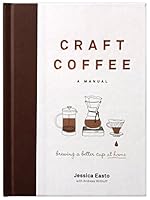
Craft Coffee
Metadata
Highlights
- 61 percent of Americans drink coffee on a daily basis. (Location 169)
- three waves. (Location 177)
- The first wave of coffee started in the 1800s, when global coffee consumption exploded and big coffee outfits like Maxwell House, Hills Bros., and Folgers started growing to prominence— (Location 178)
- market share—driven by speed, convenience, and caffeine—was more important than quality during this period. (Location 179)
- Growing antipathy toward low-quality coffee inspired the second wave of coffee, led by companies, such as Peet’s Coffee & Tea and Starbucks, (Location 186)
- Peet’s opened its first store in 1966 in Berkeley, California; Starbucks opened its first store in 1971 in Seattle, Washington; and in 1978, the legendary Erna Knutsen—a secretary turned coffee broker who specialized in selling high-quality beans from specific origins to independent roasters—coined the term specialty coffee (Location 188)
- Between 1987 and 2007, Starbucks opened an average of two new locations a day. (Location 196)
- third wave of coffee. (Location 204)
- growing number of importers, roasters, and baristas who, above all, treat the coffee bean as an artisanal food product, much as people do with cheese, wine, and (more recently) beer. (Location 205)
- new roasting techniques that leave beans distinctly lighter than more traditional roasting methods do— (Location 207)
- The third wave aims to show coffee producers proper respect for their work, both through fair compensation and in the way their coffee is presented to consumers. (Location 212)
- humans have been making wine for about 8,000 years and brewing beer for about 7,000 years. Coffee, on the other hand, likely wasn’t extracted and consumed until the 15th century, (Location 236)
- coffee has never in the history of humankind tasted better than it does right now— (Location 242)
title: “Craft Coffee”
author: “Jessica Easto”
url: ""
date: 2023-12-19
source: kindle
tags: media/books
Craft Coffee
Metadata
Highlights
- 61 percent of Americans drink coffee on a daily basis. (Location 169)
- three waves. (Location 177)
- The first wave of coffee started in the 1800s, when global coffee consumption exploded and big coffee outfits like Maxwell House, Hills Bros., and Folgers started growing to prominence— (Location 178)
- market share—driven by speed, convenience, and caffeine—was more important than quality during this period. (Location 179)
- Growing antipathy toward low-quality coffee inspired the second wave of coffee, led by companies, such as Peet’s Coffee & Tea and Starbucks, (Location 186)
- Peet’s opened its first store in 1966 in Berkeley, California; Starbucks opened its first store in 1971 in Seattle, Washington; and in 1978, the legendary Erna Knutsen—a secretary turned coffee broker who specialized in selling high-quality beans from specific origins to independent roasters—coined the term specialty coffee (Location 188)
- Between 1987 and 2007, Starbucks opened an average of two new locations a day. (Location 196)
- third wave of coffee. (Location 204)
- growing number of importers, roasters, and baristas who, above all, treat the coffee bean as an artisanal food product, much as people do with cheese, wine, and (more recently) beer. (Location 205)
- new roasting techniques that leave beans distinctly lighter than more traditional roasting methods do— (Location 207)
- The third wave aims to show coffee producers proper respect for their work, both through fair compensation and in the way their coffee is presented to consumers. (Location 212)
- humans have been making wine for about 8,000 years and brewing beer for about 7,000 years. Coffee, on the other hand, likely wasn’t extracted and consumed until the 15th century, (Location 236)
- coffee has never in the history of humankind tasted better than it does right now— (Location 242)