👋 Meet CoCo: A Real-Time Co-Creative Learning Platform for Young People
Metadata
- Author: CoCo - Being. Creative. Together.
- Full Title: 👋 Meet CoCo: A Real-Time Co-Creative Learning Platform for Young People
- Category:#articles
- URL: https://medium.com/mit-media-lab/meet-coco-a-real-time-co-creative-learning-platform-for-young-people-bdfe23edd5a7
Highlights
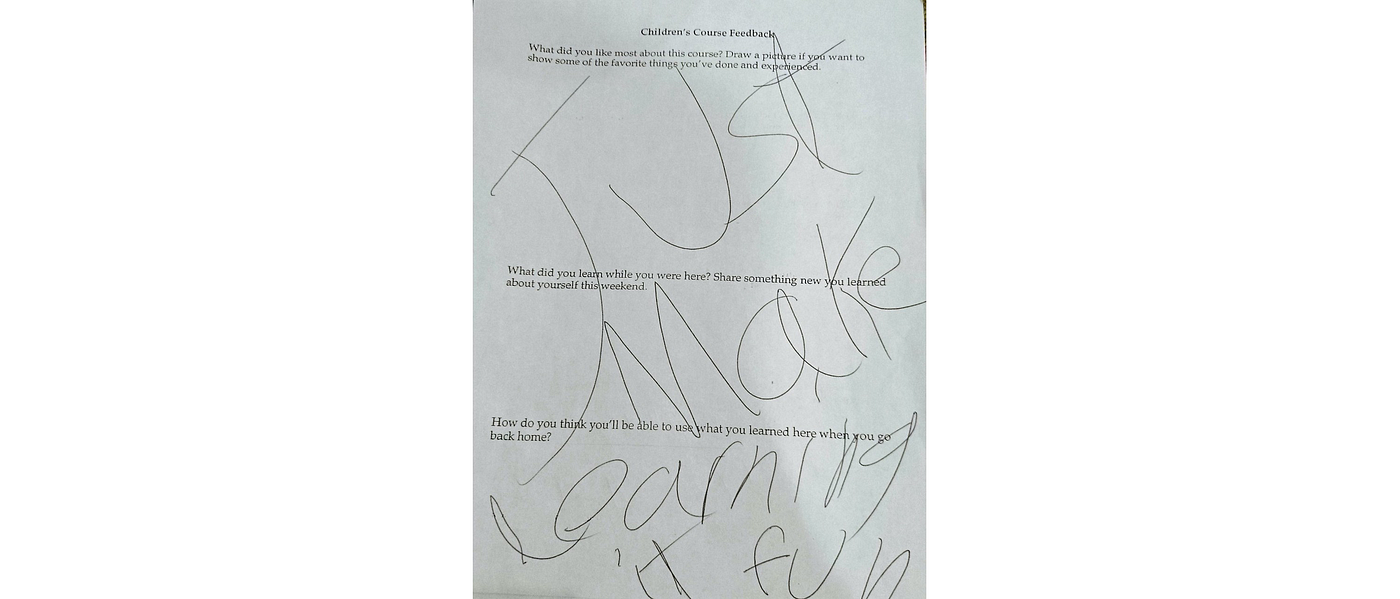
- “Just make learning it fun.”
 (View Highlight)
 -
- How can we design alternate playgrounds and contexts for children to play with and experience some of the powerful ideas that lie at the core of mindfulness — interconnectedness, compassion, and non-judgment? (View Highlight)
- It was in this conversation, which was coincidentally full of words starting with letters ‘co’, such as construction, connection, compassion, co-creation, context, community—that the name and the ideas of CoCo first took form. (View Highlight)
- It’s interesting (and a bit crazy) to think now that most of the core ideas of CoCo were conceived more than 3 years ago in pre-pandemic times. At the time, we were still in the early years of our PhD program at MIT in the Lifelong Kindergarten Group at the Media Lab*.* We had a working prototype of the system ready at the start of 2020 and got incredible feedback during our first playtest. We excitedly also made the twitter account for CoCo then and had drafted much of this blog post shortly after. (View Highlight)
- The values of beingness (the state of being), creativeness (the state of being creative), and togetherness (the state of being together) form the three core axes of CoCo and of our own motivations for this work. (View Highlight)
- Part 1: Building Co-Creative Spaces
Designing for Co-creation over Collaboration We consciously chose to design the CoCo space as a shared digital space for co-creating projects in real-time and not necessarily for collaborating on the same project in real-time. (View Highlight)
New highlights added February 28, 2023 at 11:42 AM
- In CoCo spaces, we introduce the principle of knobs over switches to reimagine the space in between these two extremes as a new kind of shared digital space that is closer to togetherness over direct collaboration (View Highlight)
- Context is communication. Just being together and sharing a context with someone is itself a form of communication. In a CoCo space, creators can work on their projects in a shared digital context, in the presence of others. Much like sitting in a café. (View Highlight)
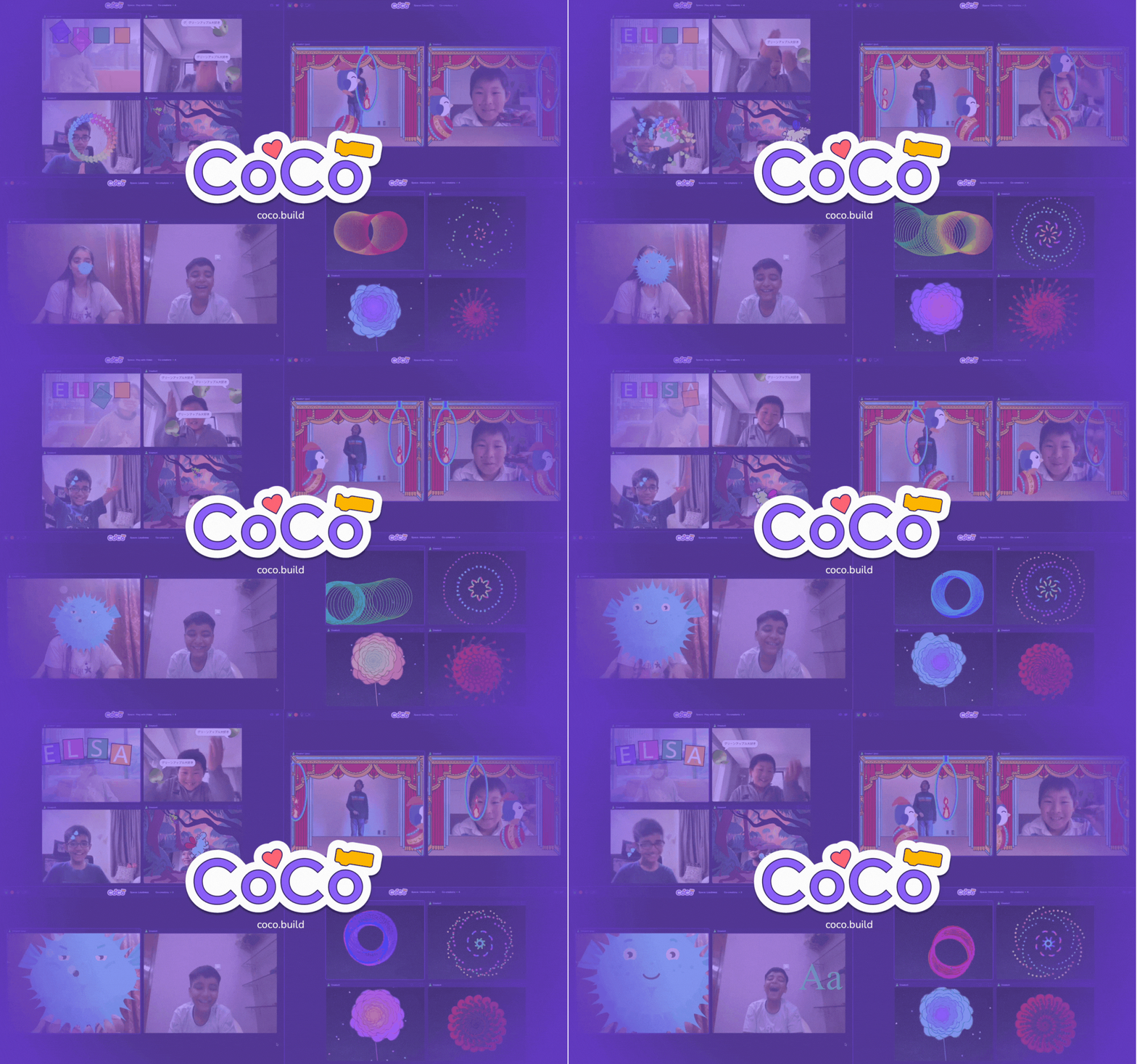
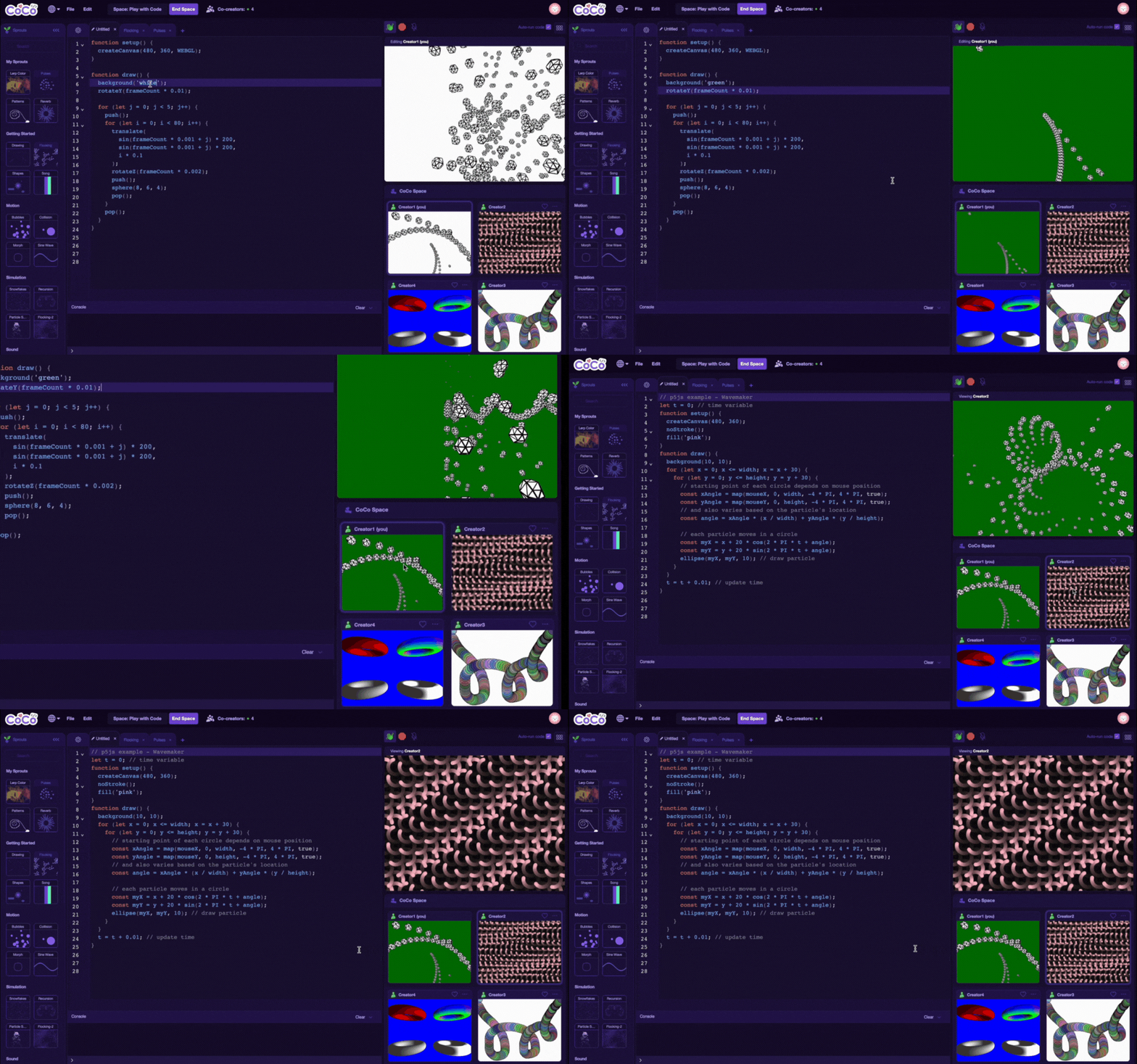
- In a CoCo space, even though learners get to work on their own projects, they are always surrounded by multiple points of inspirations in the form of the mini live windows showing their peers’ creative explorations in real-time. They can also freely follow their curiosity and peek into anyone’s project to view and interact with it, without having to change their context. Inspiration and support naturally becomes abundant in a shared space like this, making it easy for young people to transform their interests and ideas into creative projects (View Highlight)
- Creators can use these blocks to make their project trigger something in their peers’ projects in real-time and also get to see the outcome instantly. (View Highlight)
- In addition to supporting collaborative projects where creators can contribute different parts to a single project, CoCo spaces also afford building new types of collaborative experiences as a group. For instance, creators can collectively imagine and program a new kind of multiplayer pacman game where the pacman passes through each of their projects turn by turn and they can use shared variables to have a common score! Or, they can code their own musical instruments and then play their projects together in the form of a musical band. There are countless possibilities. (View Highlight)
- a joyful co-creative environment that is inclusive of young people’s diverse interests and personalities and their multiple ways of being, of learning, and of engaging with others. (View Highlight)
- We think the paradigm of CoCo spaces (of engaging co-creatively with peers in a shared digital space) can extend to an endless variety of digital creative experiences and environments (View Highlight)
- This passive mode of engagement has ironically come to be called as live learning — when in reality, most kids are neither able to feel alive nor learn in an environment that literally translates the experience of a traditional classroom to a digital context. (View Highlight)
- The built-in video and audio functionality in CoCo, although very useful, is not what makes the environment ‘live’, rather it is the ability to engage in a wide variety of creative interactions with peers in real-time in the process of learning and building. CoCo spaces are therefore designed to empower educators to support children better regardless of whether they are physically together in the same room or connecting remotely from their homes. Moreover, video in CoCo is not a passive medium, it is a programmable material that young people can tinker with and use to build new kinds of shared creative experiences with their peers. (View Highlight)
- In designing this part of the platform, we have drawn inspiration from MIT’s famous ‘Infinite Corridor’ — an 825-foot-long hallway that runs the entire length of MIT’s main buildings. The walls of the Infinite Corridor are always fully covered with a long line of posters highlighting the countless exciting events and workshops that students can participate in at any given date and time. The passage also connects to the many different classrooms, labs, departments, study spaces, maker-spaces, and other types of social and creative spaces for members of the MIT community.
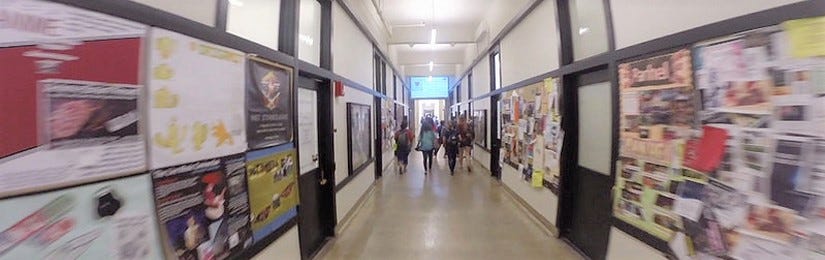 The Infinite Corridor at MIT — Massachusetts Institute of Technology (View Highlight)
 - As designers of these social systems (tools, schools, or spaces), consciously or unconsciously, we end up constructing most of the context or the underlying texture and text (rules) of the system for children. What that results into is instead of empowering children to actively engage in constructing their context, we tend to push children to be constructed and painted by the context (View Highlight)
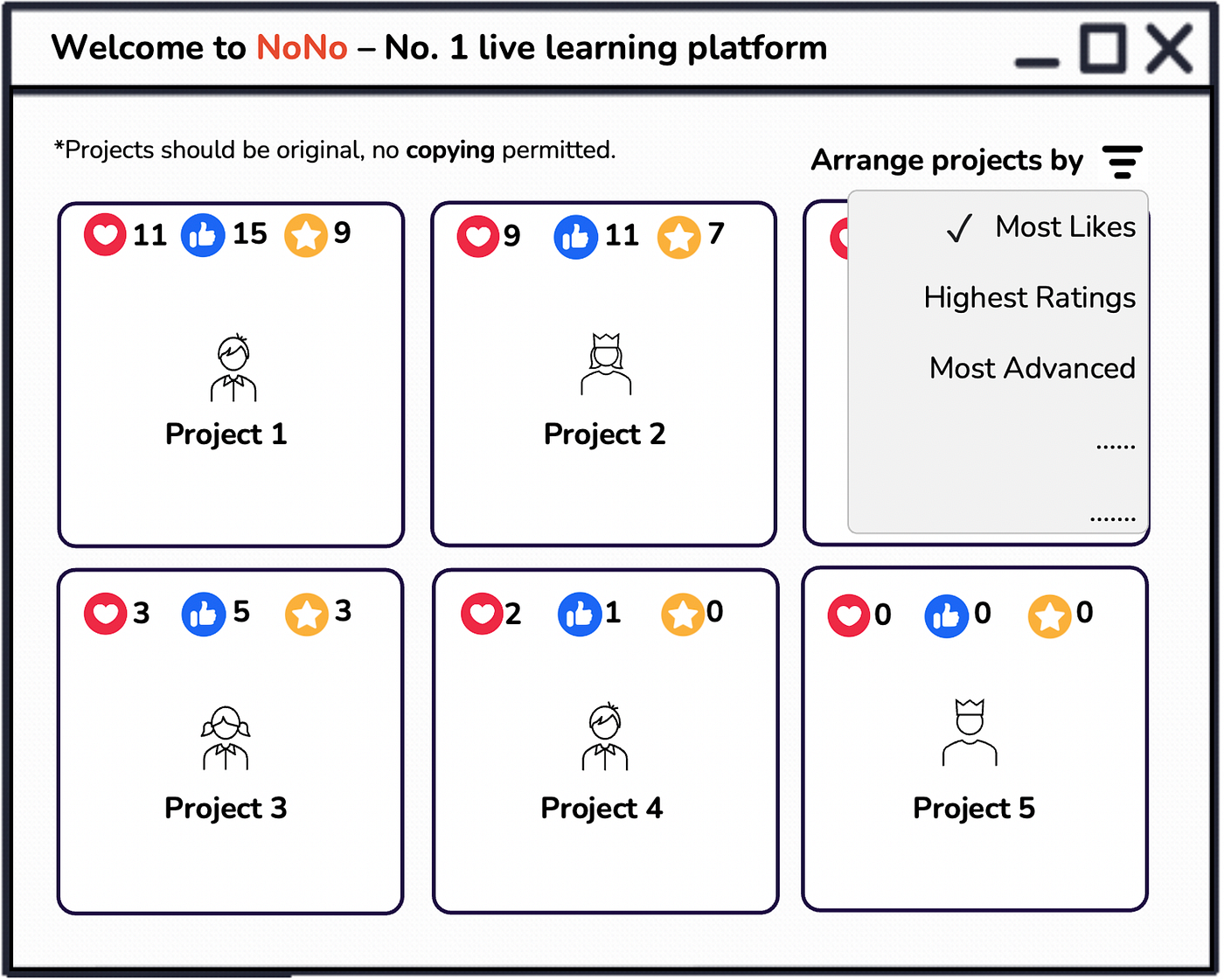 NoNo — A hypothetical live online learning environment designed with individual- and thing-centric lens.
Now imagine yourself as a young person participating in this environment. The environment’s context by its very design promotes the ideas of competition, rewards, and comparison. Creators in such spaces are no longer likely to be creating their projects from a place of joy but from an anxious place of excelling in this socially constructed structure.
In such an environment, even though children may be creating together, they are not being. creative. together. (View Highlight)
NoNo — A hypothetical live online learning environment designed with individual- and thing-centric lens.
Now imagine yourself as a young person participating in this environment. The environment’s context by its very design promotes the ideas of competition, rewards, and comparison. Creators in such spaces are no longer likely to be creating their projects from a place of joy but from an anxious place of excelling in this socially constructed structure.
In such an environment, even though children may be creating together, they are not being. creative. together. (View Highlight)- The hüm is a representation of the nature and quality of interconnections that are actively being constructed within any social learning environment. The hüm is what we’ll hear, sense, and feel when we take a step further and start to see learners not just as individuals with head, hands, and heart, but also as active co-constructors of their shared context. The hüm doesn’t belong to any one in particular yet it is an integral part of everyone, and it contains and sustains the shared values of the space. If we are not intentional about our choices, we can easily end up designing systems and spaces like the hypothetical NoNo environment above where the hüm of the space (which probably will feel more like h∩m) will soon start to vibrate with the unpleasant and uncomfortable sounds of anxiety, fear, and insecurity instead of those of joy, connection, and creativity. (View Highlight)
- Also, in CoCo, there are no individual user profiles or separate project pages. The fundamental unit here is not the individual creator, but rather the endless variety of co-creative spaces that they engage in with peers. In CoCo, creators build projects within a shared context that is designed to be inherently interactive and collaborative in nature. Every creator’s project is deeply intertwined with other creators’ projects in the CoCo space in a variety of tangible and intangible ways. The projects therefore are never separated from the original co-creative context that they were built in. In doing so, we hope to support young learners in making a shift from the often excessive focus that is put on seeking validation for the final outcome to instead start seeing the joyful process of co-creating as its own reward. (View Highlight)
- CoCo, for us, is a humble step towards this path and we hope that it can serve as a microworld for young people to explore and experiment with new modes of thinking and new ways of being in relationship with others — as they set out to co-create their joyful, just, and sustainable shared futures. (View Highlight)
New highlights added March 16, 2023 at 4:06 PM
title: ”👋 Meet CoCo: A Real-Time Co-Creative Learning Platform for Young People” author: “CoCo - Being. Creative. Together.” url: ”https://medium.com/mit-media-lab/meet-coco-a-real-time-co-creative-learning-platform-for-young-people-bdfe23edd5a7” date: 2023-12-19 source: reader tags: media/articles
👋 Meet CoCo: A Real-Time Co-Creative Learning Platform for Young People
Metadata
- Author: CoCo - Being. Creative. Together.
- Full Title: 👋 Meet CoCo: A Real-Time Co-Creative Learning Platform for Young People
- Category:#articles
- Document Tags: shortlist
- URL: https://medium.com/mit-media-lab/meet-coco-a-real-time-co-creative-learning-platform-for-young-people-bdfe23edd5a7
Highlights
- “Just make learning it fun.”
(View Highlight)
-
- How can we design alternate playgrounds and contexts for children to play with and experience some of the powerful ideas that lie at the core of mindfulness — interconnectedness, compassion, and non-judgment? (View Highlight)
- It was in this conversation, which was coincidentally full of words starting with letters ‘co’, such as construction, connection, compassion, co-creation, context, community—that the name and the ideas of CoCo first took form. (View Highlight)
- It’s interesting (and a bit crazy) to think now that most of the core ideas of CoCo were conceived more than 3 years ago in pre-pandemic times. At the time, we were still in the early years of our PhD program at MIT in the Lifelong Kindergarten Group at the Media Lab*.* We had a working prototype of the system ready at the start of 2020 and got incredible feedback during our first playtest. We excitedly also made the twitter account for CoCo then and had drafted much of this blog post shortly after. (View Highlight)
- The values of beingness (the state of being), creativeness (the state of being creative), and togetherness (the state of being together) form the three core axes of CoCo and of our own motivations for this work. (View Highlight)
- Part 1: Building Co-Creative Spaces
Designing for Co-creation over Collaboration We consciously chose to design the CoCo space as a shared digital space for co-creating projects in real-time and not necessarily for collaborating on the same project in real-time. (View Highlight)
- In CoCo spaces, we introduce the principle of knobs over switches to reimagine the space in between these two extremes as a new kind of shared digital space that is closer to togetherness over direct collaboration (View Highlight)
- Context is communication. Just being together and sharing a context with someone is itself a form of communication. In a CoCo space, creators can work on their projects in a shared digital context, in the presence of others. Much like sitting in a café. (View Highlight)
- In a CoCo space, even though learners get to work on their own projects, they are always surrounded by multiple points of inspirations in the form of the mini live windows showing their peers’ creative explorations in real-time. They can also freely follow their curiosity and peek into anyone’s project to view and interact with it, without having to change their context. Inspiration and support naturally becomes abundant in a shared space like this, making it easy for young people to transform their interests and ideas into creative projects (View Highlight)
 (View Highlight)
- Creators can use these blocks to make their project trigger something in their peers’ projects in real-time and also get to see the outcome instantly. (View Highlight)
- In addition to supporting collaborative projects where creators can contribute different parts to a single project, CoCo spaces also afford building new types of collaborative experiences as a group. For instance, creators can collectively imagine and program a new kind of multiplayer pacman game where the pacman passes through each of their projects turn by turn and they can use shared variables to have a common score! Or, they can code their own musical instruments and then play their projects together in the form of a musical band. There are countless possibilities. (View Highlight)
- a joyful co-creative environment that is inclusive of young people’s diverse interests and personalities and their multiple ways of being, of learning, and of engaging with others. (View Highlight)
- We think the paradigm of CoCo spaces (of engaging co-creatively with peers in a shared digital space) can extend to an endless variety of digital creative experiences and environments (View Highlight)
- This passive mode of engagement has ironically come to be called as live learning — when in reality, most kids are neither able to feel alive nor learn in an environment that literally translates the experience of a traditional classroom to a digital context. (View Highlight)
- The built-in video and audio functionality in CoCo, although very useful, is not what makes the environment ‘live’, rather it is the ability to engage in a wide variety of creative interactions with peers in real-time in the process of learning and building. CoCo spaces are therefore designed to empower educators to support children better regardless of whether they are physically together in the same room or connecting remotely from their homes. Moreover, video in CoCo is not a passive medium, it is a programmable material that young people can tinker with and use to build new kinds of shared creative experiences with their peers. (View Highlight)
- In designing this part of the platform, we have drawn inspiration from MIT’s famous ‘Infinite Corridor’ — an 825-foot-long hallway that runs the entire length of MIT’s main buildings. The walls of the Infinite Corridor are always fully covered with a long line of posters highlighting the countless exciting events and workshops that students can participate in at any given date and time. The passage also connects to the many different classrooms, labs, departments, study spaces, maker-spaces, and other types of social and creative spaces for members of the MIT community.
The Infinite Corridor at MIT — Massachusetts Institute of Technology (View Highlight)
- As designers of these social systems (tools, schools, or spaces), consciously or unconsciously, we end up constructing most of the context or the underlying texture and text (rules) of the system for children. What that results into is instead of empowering children to actively engage in constructing their context, we tend to push children to be constructed and painted by the context (View Highlight)
-
NoNo — A hypothetical live online learning environment designed with individual- and thing-centric lens.
Now imagine yourself as a young person participating in this environment. The environment’s context by its very design promotes the ideas of competition, rewards, and comparison. Creators in such spaces are no longer likely to be creating their projects from a place of joy but from an anxious place of excelling in this socially constructed structure.
In such an environment, even though children may be creating together, they are not being. creative. together. (View Highlight)
- The hüm is a representation of the nature and quality of interconnections that are actively being constructed within any social learning environment. The hüm is what we’ll hear, sense, and feel when we take a step further and start to see learners not just as individuals with head, hands, and heart, but also as active co-constructors of their shared context. The hüm doesn’t belong to any one in particular yet it is an integral part of everyone, and it contains and sustains the shared values of the space. If we are not intentional about our choices, we can easily end up designing systems and spaces like the hypothetical NoNo environment above where the hüm of the space (which probably will feel more like h∩m) will soon start to vibrate with the unpleasant and uncomfortable sounds of anxiety, fear, and insecurity instead of those of joy, connection, and creativity. (View Highlight)
- Also, in CoCo, there are no individual user profiles or separate project pages. The fundamental unit here is not the individual creator, but rather the endless variety of co-creative spaces that they engage in with peers. In CoCo, creators build projects within a shared context that is designed to be inherently interactive and collaborative in nature. Every creator’s project is deeply intertwined with other creators’ projects in the CoCo space in a variety of tangible and intangible ways. The projects therefore are never separated from the original co-creative context that they were built in. In doing so, we hope to support young learners in making a shift from the often excessive focus that is put on seeking validation for the final outcome to instead start seeing the joyful process of co-creating as its own reward. (View Highlight)
- CoCo, for us, is a humble step towards this path and we hope that it can serve as a microworld for young people to explore and experiment with new modes of thinking and new ways of being in relationship with others — as they set out to co-create their joyful, just, and sustainable shared futures. (View Highlight)